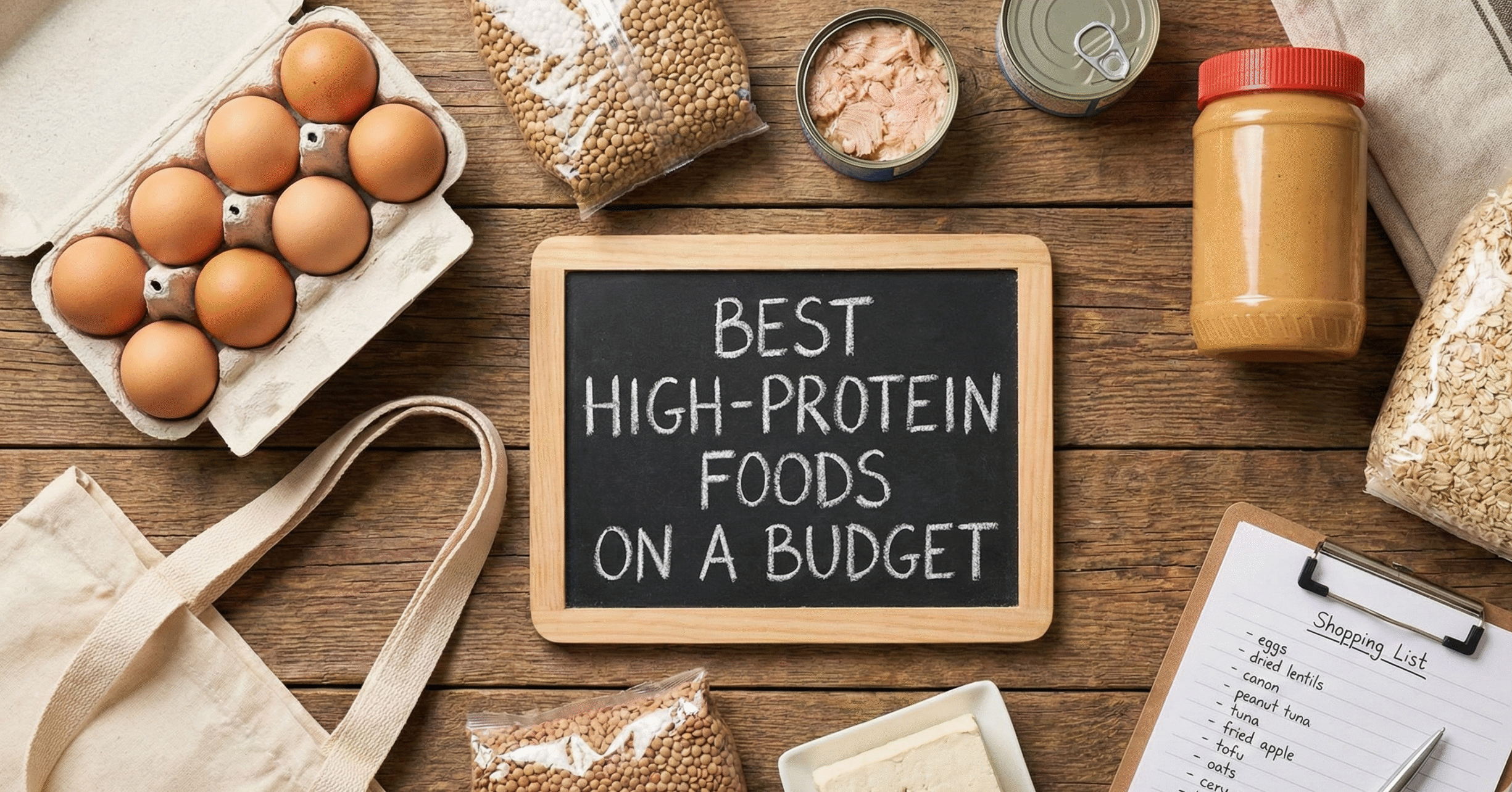
Discover budget-friendly high-protein foods, meal plans, and training tips to fuel strength training, recovery, and muscle growth without overspending.
Getting stronger and building muscle doesn’t require an expensive grocery cart. Whether you’re grinding through bicep workouts or crushing leg day routines, smart, budget-friendly protein choices can accelerate recovery and improve performance. This friendly guide breaks down affordable, high-protein foods, how to use them around your workouts, simple meal ideas, and practical strength-training strategies so you can progress without breaking the bank.
Why protein matters for strength training and muscle growth
Protein is the building block your body uses to repair and grow muscle tissue after resistance work. If you’re serious about progressive overload and consistent gains, hitting an adequate daily protein target should be non-negotiable. It is very important to find and list affordable high-protein foods.
Aim for a sustainable daily protein intake based on activity level and goals; for many lifters this ranges from 0.7–1.0 grams per pound of bodyweight. Precise targets depend on your goals, size, and training volume — use tools or consult reliable sources for guidelines. For basic evidence on protein and muscle, see reviews at NCBI and practical guidance from Healthline.
Check also: “Protein Intake Calculator”
Top budget-friendly high-protein foods (and how to use them)
Here’s a list of cost-effective, high-protein foods that work for different diets. I’ll include practical serving ideas so you can slot them into meals quickly.
- Eggs — Versatile, nutrient-dense, and cheap. One large egg has about 6–7 grams of protein. Use in omelets, hard-boiled snacks, or overnight oats.
- Canned tuna & sardines — High protein, long shelf life, and often cheaper per gram than fresh fish. Great for sandwiches, salads, and rice bowls.
- Chicken thighs & whole chickens — Thighs are cheaper than breasts and flavorful; roasting a whole chicken saves time and money across meals.
- Greek yogurt & cottage cheese — High in protein and easy for breakfast or post-workout snacks. Choose plain varieties and sweeten lightly with fruit.
- Dry lentils & beans (dried or canned) — Excellent plant-based protein and fiber; make large pots of chili, stews, or batch grain bowls.
- Tofu & tempeh — Inexpensive sources of complete plant protein; press and marinate tofu for flavor or pan-fry tempeh for a crispy salad topper.
- Peanut butter & other nut butters — Calorie-dense and protein-rich; use sparingly on toast or blended into smoothies for extra calories and satiety.
- Edamame (frozen) — High-protein snack that steams in minutes; great as a side or tossed in rice bowls.
- Oats — Not huge on protein per calorie but cheap and supportive when combined with milk, Greek yogurt, or protein powder.
- Milk — Affordable and protein-rich, especially if you prefer dairy; whole or skim depending on calorie needs.
- Lean ground turkey or beef (on sale) — Use for burgers, meat sauce, and meatballs; freeze in portions when on sale.
- Frozen fish fillets — Often cheaper than fresh and just as nutritious; bake or pan-sear with simple seasonings.
- Seitan — High-protein vegan option (wheat gluten) that can be made cheaply at home if you tolerate gluten.
- Protein powder (whey, casein, soy) — Useful for bridging gaps on busy days; compare cost-per-gram of protein to find value options.
Smart shopping and storage tips for High-Protein Foods
Here’s a smart shopping and storage tips for high-protein foods.
- Buy in bulk or during sales and freeze portions to avoid waste.
- Choose frozen fruits, vegetables, and proteins when fresh prices spike.
- Cook large batches (rice, beans, roasted chicken) and portion into containers for the week.
- Compare cost-per-gram of protein rather than price-per-item to see real value.
- Use a grocery list focused on staples to curb impulse buys — simple meals tend to be cheaper and consistent.
Bicep workouts: fueling for smaller muscle groups
Biceps are small but respond well to consistent stimulus and recovery. Protein timing around these workouts helps the micro-repair process so your next curl session is more productive.
Pre- and post-bicep training snacks
- Pre (30–60 min): 1 slice of whole-grain toast with peanut butter and banana slices.
- Post (within 1–2 hours): Greek yogurt with a scoop of protein powder mixed in, or a tuna sandwich.
Bicep workout (sample)
- Standing barbell curls — 4 sets x 6–10 reps (focus on controlled eccentric).
- Incline dumbbell curls — 3 sets x 8–12 reps (stretch and slow return).
- Hammer curls — 3 sets x 10–12 reps (neutral grip for brachialis development).
- Concentration curls or cable curls — 3 sets x 10–15 reps (good finisher).
Form cues: keep elbows tucked, avoid swinging the torso, and control the negative (3–4 seconds down). Progressive overload for biceps means small increases in weight or rep volume every 1–2 weeks.
Chest exercises: feeding your pressing power
Your chest is a larger muscle group that benefits from a balance of heavy presses and volume. Sufficient protein across the day supports hypertrophy and strength gains for bench press and pressing variations.
Chest workout (home and gym friendly)
- Barbell or dumbbell bench press — 4 sets x 4–8 reps (strength focus) or 8–12 reps (hypertrophy).
- Incline dumbbell press — 3 sets x 8–12 reps.
- Weighted push-ups or dips — 3 sets x failure or 8–12 reps (aim for progressive reps).
- Chest flyes (cable or dumbbell) — 3 sets x 10–15 reps to finish.
Protein pairing: pair your pre-workout carbs with a modest protein source (milk and oats) and prioritize a high-protein foods after chest days — e.g., roasted chicken thigh with lentils and vegetables.
Progressive overload: the key to muscle growth
Progressive overload is simply increasing the demands on the body to keep getting stronger. This applies to weight, reps, sets, time under tension, or reduced rest intervals.
Simple progression plan (8-week example)
- Weeks 1–2: Establish baseline weights and form. Moderate volume (3–4 sets, 8–12 reps).
- Weeks 3–4: Increase weight by 2.5–5% or add 1–2 reps per set.
- Weeks 5–6: Add an extra set to main lifts or reduce rest slightly to increase density.
- Weeks 7–8: Attempt a small peak in intensity (heavier weights for lower reps) then reset for a deload week.
Protein plays a supportive role — combine progressive overload with adequate daily protein to ensure adaptations become muscle and strength rather than fatigue.
Strength training fundamentals for budget-minded athletes
Strength training needn’t be expensive. A few compound lifts and consistent protein intake are the backbone of progress. Here are principles to follow:
- Prioritize compound movements: squat, deadlift, bench, overhead press, and rows. They give the best return on effort.
- Train with consistent frequency (2–4x per muscle group per week depending on volume).
- Make incremental progress each week — small wins compound into big gains.
- Fuel workouts with affordable protein sources and whole-food carbs to keep performance high.
Home workouts: cheap protein ideas and effective routines
Home workouts can be highly effective when matched with the right nutrition. If you lack a full kitchen, focus on portable protein staples.
- Portable proteins: canned tuna, hard-boiled eggs, protein bars or powder, Greek yogurt cups (if fridge available), nut butter packets.
- Sample home routine (no equipment):
- Plyo push-ups or incline push-ups — 4 sets x 8–12 reps.
- Single-leg Romanian deadlift (bodyweight or dumbbells) — 3 sets x 8–12 reps per side.
- Close-grip push-ups or triceps dips — 3 sets x 10–15 reps.
- Bodyweight squats or Bulgarian split squats — 3 sets x 10–15 reps per leg.
- Plank or side plank — 3 sets x 45–90 seconds.
Pair with a portable post-workout shake if needed: 1 scoop protein powder, 1 banana, water or milk — blend and go.
Gym workouts: efficient sessions and protein strategies
When you have access to a gym, use it to load the big lifts. Combine gym sessions with budget-friendly meals that you prepped at home to save money and improve recovery.
- Gym session structure: Warm-up (5–10 min), compound lift (3–5 sets), accessory lifts (3–4 sets), conditioning/finishers (optional).
- Pre-gym fuel: oats with milk and powdered protein or a peanut butter banana sandwich.
- Post-gym feast: a plate with rice, beans, and roasted chicken or a salmon-canned salad with whole-wheat bread.
Leg day routine: big muscles need big protein support
Legs are one of the most demanding muscle groups; the recovery demands are high. Make sure your meals around leg day contain a good portion of protein and carbohydrates.
Sample leg day (hypertrophy-focused)
- Barbell back squat — 4 sets x 6–10 reps.
- Romanian deadlift — 3 sets x 8–12 reps.
- Leg press or lunges — 3 sets x 10–14 reps.
- Standing calf raises — 4 sets x 12–20 reps.
- Finisher: 10–15 minutes of conditioning (bike or sled) at moderate intensity.
Post-session meal example: 6–8 oz roasted chicken or a hearty lentil stew with quinoa — both supply protein, carbs to refill glycogen, and nutrients for recovery.
Recovery tools: affordable ways to speed adaptation
Recovery is where the muscle actually grows. While protein is central, combine it with sleep, hydration, and accessible recovery tools to maximize results.
- Sleep: aim for consistent 7–9 hours per night — sleep quality is non-negotiable for muscle repair (see sleep guidance at Mayo Clinic).
- Hydration: water supports nutrient transport and recovery — simple, low-cost and effective.
- Active recovery: light walking, mobility work, and foam rolling speed return to training.
- Recovery tools: foam roller, lacrosse ball, resistance bands for mobility, and inexpensive massage balls.
- Protein timing: aim to include a protein-containing meal within 1–2 hours after training; protein distribution across meals matters as much as daily total (see research summaries at ACE Fitness and NCBI).
For planning recovery windows and protein timing, consider using tools that estimate your needs and recovery times. Small investments in knowledge yield big consistency wins.
Sustainable habits for long-term muscle growth
Cheap protein choices and structured training are only part of the picture. Sustainable gains come from consistent small habits, including planning, shopping smart, and training with purpose.
- Plan weekly meals and shop with a list to reduce waste and impulse spending.
- Cook once, eat twice: roast a large tray of chicken and use it across salads, wraps, and rice bowls.
- Use leftovers creatively: turn steak into stir-fry, or beans into a high-protein chili.
- Rotate protein sources to avoid boredom and nutrient gaps — mix plant and animal proteins when possible.
Sample weekly budget grocery list (protein-focused)
- Dozen eggs
- 2–3 pounds of chicken thighs or one whole chicken
- 2–3 cans of tuna or salmon
- 1–2 tubs Greek yogurt or cottage cheese
- Dry lentils (2–3 lbs) or canned beans (4–6 cans)
- 1 block tofu and/or tempeh
- Peanut butter or other nut butter
- Oats and whole-grain bread/rice/quinoa
- Frozen vegetables and edamame
- Protein powder (optional, for convenience)
Budget meal ideas for muscle gains
Here are quick meals that combine protein, carbs, and fats without costing much or taking all day to prepare.
- Breakfast: Savory oats made with milk, 2 eggs scrambled on top, and a handful of spinach.
- Lunch: Tuna and white bean salad with olive oil, lemon, and whole-grain bread.
- Dinner: Lentil Bolognese over whole-wheat pasta or roasted chicken thighs with sweet potato and broccoli.
- Snack: Cottage cheese with berries, or a peanut butter banana wrap.
- Post-workout shake: Protein powder, milk, frozen banana, and a spoonful of peanut butter.
Meal-prep plan (2-hour window)
- Roast a whole chicken or batch of thighs with simple seasonings (garlic, paprika, salt, pepper).
- Simmer a large pot of lentils with chopped tomatoes, onions, and spices for multiple lunches.
- Cook a big pot of rice or quinoa and portion into containers with steamed frozen veggies.
- Hard-boil a dozen eggs for quick snacks and to top salads.
This approach creates several meals for the week in minimal active cooking time and keeps protein intake consistent and inexpensive.
Avoid common mistakes when budgeting for protein
- Buying expensive single-serve protein options instead of larger, cheaper bulk items.
- Relying only on one source of protein — variety keeps costs down and nutrition balanced.
- Skipping meals around tough workouts — fueling and refueling are crucial for performance and recovery.
- Underestimating the power of leftovers — planned leftovers are cheap meals in disguise.
Putting it all together: a 7-day budget-friendly protein plan
Below is a simple example week. Portions should be adjusted to match your calorie and protein targets.
- Day 1: Breakfast – oats with milk and one scoop protein; Lunch – chicken thigh, rice, broccoli; Dinner – lentil stew; Snacks – hard-boiled eggs.
- Day 2: Breakfast – Greek yogurt with oats and banana; Lunch – tuna wrap with spinach; Dinner – tofu stir-fry with frozen veggies and quinoa; Snack – peanut butter on toast.
- Day 3: Breakfast – scrambled eggs and toast; Lunch – chickpea salad with olive oil; Dinner – ground turkey chili (freeze portions); Snack – cottage cheese.
- Day 4: Breakfast – protein shake and fruit; Lunch – roasted chicken bowl with sweet potato; Dinner – spaghetti with lentil Bolognese; Snack – edamame.
- Day 5: Breakfast – overnight oats with milk and protein powder; Lunch – sardine salad on whole-grain bread; Dinner – baked fish fillet with rice and greens; Snack – mixed nuts (moderation).
- Day 6: Breakfast – omelet with leftover chicken; Lunch – tofu & veg stir fry; Dinner – bean burrito bowls; Snack – Greek yogurt.
- Day 7: Breakfast – pancakes made with oats and cottage cheese; Lunch – leftover chili; Dinner – roast chicken and veg; Snack – protein shake.
Practical strength progression tips that pair with your food plan
Food gets you recovered, but training determines the stimulus. Align simple progression rules with your budget-friendly nutrition for consistent improvements.
- Track your lifts and aim for at least a small improvement each week (an extra rep or small weight increase).
- Use a 4–6 week mesocycle: build volume, slightly increase intensity, then deload.
- Prioritize form over ego — quality reps produce better growth than heavy sloppy sets.
- Program two heavier compound days (upper/lower split or push/pull/legs) and one lighter technique or accessory day.
- Listen to recovery signals: if soreness and performance decline, prioritize protein, sleep, and a light recovery day.
Resources and further reading
For science-backed articles and practical nutrition info, consult authoritative sources like Healthline, the Mayo Clinic, and research papers on NCBI. For exercise technique, ACE Fitness has solid coaching cues and safety tips at ACE Fitness.
Conclusion
Fueling muscle growth on a budget is fully achievable with planning, smart shopping, and consistent training. Focus on affordable high-protein foods, meal prep, and gradual strength progression. Small daily habits — consistent protein, solid sleep, and progressive overload — add up faster than chasing expensive supplements. Stick with the plan, and your workouts and wallet will both thank you.