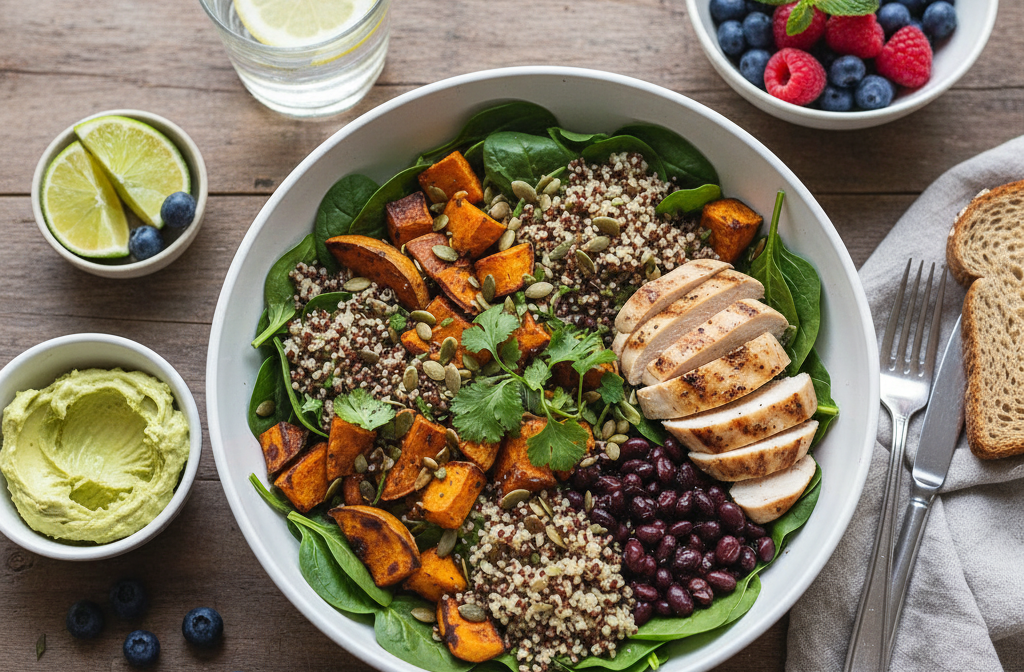
Simple, practical 7-day clean eating guide for beginners to fuel workouts, support muscle growth, and build healthy habits with easy meals and tracking tools.
Clean Eating Made Simple
Ready to feel better, train harder, and simplify your plate? Clean eating doesn’t have to be complicated. This 7-day beginner guide breaks down practical meals, simple grocery swaps, and the best ways to pair nutrition with strength training and recovery. You’ll get easy recipes, actionable tips for progressive overload in the gym, and tool-based solutions so tracking calories, macros, and progress is painless. Think of this as a coach’s plan: small steps, honest effort, consistent habits.
Clean eating is one of the most effective foundations for achieving better fitness, improved energy, and long-term health. While workouts build strength, endurance, and muscle tone, the fuel you give your body determines how well you perform and recover. Clean eating focuses on consuming whole, minimally processed foods that nourish your body with essential nutrients. It’s not about perfection or strict rules—it’s about making smarter choices that support your fitness goals. When you prioritize clean eating, you give your body the vitamins, minerals, and fuel it needs to train harder, recover faster, and feel better overall.
One of the biggest reasons clean eating matters for fitness is that it stabilizes your energy levels. Processed foods high in sugar, unhealthy fats, and artificial ingredients can cause energy spikes and crashes, making it difficult to stay consistent with workouts. In contrast, whole foods like lean proteins, fruits, vegetables, whole grains, and healthy fats provide slow-burning energy that lasts throughout the day. This steady energy helps you push through tough workouts, maintain focus, and avoid fatigue. When your blood sugar remains stable, you feel more motivated, balanced, and ready to perform.
Clean Eating: Benefits
Clean eating also improves recovery, which is essential for long-term fitness progress. After exercise—especially strength training—your muscles need proper nutrients to repair and grow. Protein-rich foods like chicken, eggs, tofu, fish, beans, and Greek yogurt support muscle repair, while complex carbohydrates replenish glycogen stores to restore energy. Healthy fats, like those found in nuts, avocados, and olive oil, help reduce inflammation and support hormonal health. When you consistently eat clean, your body recovers more efficiently, which means less soreness, fewer injuries, and more effective workouts. Recovery becomes faster and more complete, allowing you to build strength and stamina over time.
Clean eating also supports better digestion and overall gut health, both of which play a major role in fitness performance. A diet filled with whole foods provides fiber, antioxidants, and natural enzymes that keep digestion smooth and efficient. This helps your body absorb nutrients properly and reduces bloating, sluggishness, and discomfort. A healthy gut also influences mood, immunity, and energy levels—all essential factors for staying committed to a fitness routine.
Additionally, clean eating helps reduce inflammation in the body. Processed foods, sugary snacks, and trans fats can trigger chronic inflammation, which increases the risk of fatigue, pain, weight gain, and slower recovery. Whole foods, on the other hand, contain anti-inflammatory compounds that support healthier joints, better mobility, and improved performance. This is especially important for people who engage in high-intensity workouts, running, or strength training, where joint and muscle strain are common.
Another major benefit of clean eating is that it naturally promotes a healthier weight. Whole foods are nutrient-dense but often lower in calories, making it easier to maintain a calorie deficit without feeling hungry or deprived. They also help regulate hunger hormones, reduce cravings, and support a healthier metabolism. Over time, clean eating becomes a lifestyle rather than a temporary diet, helping you maintain weight loss and fitness results long-term.
Why Clean Eating Matters for Fitness
Clean eating focuses on whole foods—lean proteins, vegetables, whole grains, healthy fats—and reduces processed sugar and excess additives. For anyone doing strength training, these choices support muscle growth, steady energy, and faster recovery without complex rules.
When your nutrition is consistent, your workout routines improve, progressive overload becomes smarter, and recovery tips like sleep and hydration actually pay off. Clean eating is about building a foundation so your bicep workouts, leg day routines, and chest exercises deliver results.
Clean Eating Basics: What to Focus On
Keep it simple by prioritizing protein, vegetables, and quality carbohydrates. Aim for balanced meals that include:
- Lean protein: chicken, fish, turkey, tofu, eggs, Greek yogurt
- Whole carbs: brown rice, oats, sweet potatoes, quinoa
- Veggies: leafy greens, bell peppers, broccoli, carrots
- Healthy fats: olive oil, avocado, nuts, seeds
Use gym tools like a food scale and macro tracker to stay consistent. Track calories and macros for a few weeks to understand what supports your workouts and recovery.
7-Day Beginner Meal Plan (Simple, Repeatable)
This plan focuses on templates you can repeat. Portions depend on your goals—use a calorie or macro calculator to personalize servings.
- Day 1 — Balanced Start: Breakfast: Oats + whey or Greek yogurt + berries. Lunch: Grilled chicken, quinoa, mixed greens. Dinner: Salmon, sweet potato, asparagus. Snack: Apple + almond butter.
- Day 2 — Plant-Powered: Breakfast: Smoothie with spinach, banana, protein powder. Lunch: Lentil salad with veggies. Dinner: Tofu stir-fry + brown rice. Snack: Carrots + hummus.
- Day 3 — High Protein: Breakfast: Omelet with veggies + whole grain toast. Lunch: Turkey wrap with avocado. Dinner: Lean beef, roasted potatoes, green beans. Snack: Cottage cheese + pineapple.
- Day 4 — Prep Day: Make a big batch: grilled chicken, roasted veggies, quinoa. Mix and match for meals. Snack: Greek yogurt + walnuts.
- Day 5 — Carb Cycling (Workout Day): Breakfast: Oats + banana. Lunch: Brown rice bowl with lean protein. Dinner: Pasta with tomato sauce and veggies. Snack: Rice cakes + peanut butter.
- Day 6 — Recovery Focus: Breakfast: Smoothie with oats and berries. Lunch: Salmon salad. Dinner: Chickpea stew + greens. Snack: Mixed nuts.
- Day 7 — Restart & Reflect: Repeat your favorite day from the week and take notes: energy, hunger, workout performance.
Swap spices, herbs, and simple sauces to keep meals interesting. Aim for whole-food snacks and avoid sugary drinks; hydration is a recovery tip that often gets overlooked.
Pairing Clean Eating With Workouts
Fueling smart enhances strength training, supports muscle growth, and improves workout routines. Here are coach-tested guidelines:
Progressive Overload
To build strength and muscle, increase volume or intensity gradually. Fuel heavier sessions with a carb-rich meal 1–3 hours before training and a protein-focused meal within 60 minutes after. A protein intake calculator can help you set targets.
Bicep Workouts, Chest Exercises, and Leg Day Routine
Structure workouts around compound lifts and add isolation work. Example weekly split:
- Day A — Chest exercises + triceps (bench press, incline press, push-ups)
- Day B — Leg day routine (squats, lunges, Romanian deadlifts)
- Day C — Back + biceps workouts (pull-ups, rows, curls)
Focus on proper form: controlled reps, full range of motion, and slow tempo on eccentric phases. Use gym tools like resistance bands and adjustable dumbbells to build strength safely if you’re training at home.
Recovery Tips
Recovery is part of your program. Prioritize sleep, mobility work, and active recovery days. Simple strategies:
- Sleep 7–9 hours for muscle repair and hormone balance
- Use foam rolling and mobility drills after leg day routines
- Hydrate consistently; consider a hydration calculator to set daily goals
- Include at least one protein-rich meal after workouts to support muscle growth
Tools and Tracking: Make It Measurable
Tracking gives clarity. Use tools to guide portions, calories, and macro splits rather than guessing. Key resources:
- Calorie & macro tracking to align food with strength training goals
- BMI and TDEE calculators to estimate needs
- Protein intake calculators to support muscle recovery
Read also: “Calorie & Macro Calculator”
Start by logging for two weeks. Look for trends: energy levels during workouts, strength gains, and hunger cues. Adjust portions using progressive overload principles—both in your training and your nutrition.
Quick Tips From a Coach
- Prep two to three meals ahead to remove decision fatigue.
- Keep a simple grocery list: lean proteins, veggies, whole grains, healthy fats.
- Use a food scale the first week to learn portion sizes.
- Swap one processed item for a whole-food alternative each week.
- Pair consistent clean eating with targeted workouts for visible progress.
Conclusion
Clean eating is a sustainable step toward better workouts, stronger recovery, and steady muscle growth. Follow this 7-day plan, use the tools to track progress, and pair nutrition with smart strength training and recovery tips. Start small, stay consistent, and treat each week as progress—your body and gym performance will thank you.