Build stronger, bigger, and balanced legs with a practical leg day workout plan, form tips, progressive overload, and recovery strategies.
Table of Contents
Leg Day Workout Plan: Strength, Size & Balance
Leg day is where strength, size, and balance come together. Whether you want to squat heavier, build fuller quads and hamstrings, or improve single-leg stability, a focused plan gets you there. This guide breaks down a practical leg day routine with warm-up, heavy lifts, accessory work, and recovery strategies so you can build muscle, protect joints, and stay consistent in the gym.
Why a Structured Leg Day Routine Matters
A structured leg day routine gives purpose to your training and helps you progress safely. Strength training the lower body builds functional power for everyday movement, supports overall muscle growth, and improves athleticism.
By combining compound lifts, accessory movements, and balance work, you target multiple muscle groups and correct imbalances that can limit progress and increase injury risk.
Leg Day Warm-Up & Mobility
Start with a focused warm-up to increase blood flow, activate muscles, and improve range of motion. Keep this phase dynamic and movement-based for 8–12 minutes.
- 5 minutes light cardio (bike, row, or treadmill)
- Dynamic leg swings (front-to-back and side-to-side) — 10 each side
- Bodyweight lunges or walking lunges — 8–10 reps each leg
- Glute bridges or banded lateral walks — 2 sets of 12–15
- Hip CARs (controlled articular rotations) or ankle mobility drills — 1–2 minutes
Sample Leg Day Workout Plan
This plan blends strength (low reps), hypertrophy (moderate reps), and balance (unilateral work). Adjust weight and volume to your level and training frequency.
1. Strength Block — Heavy Compound Lift
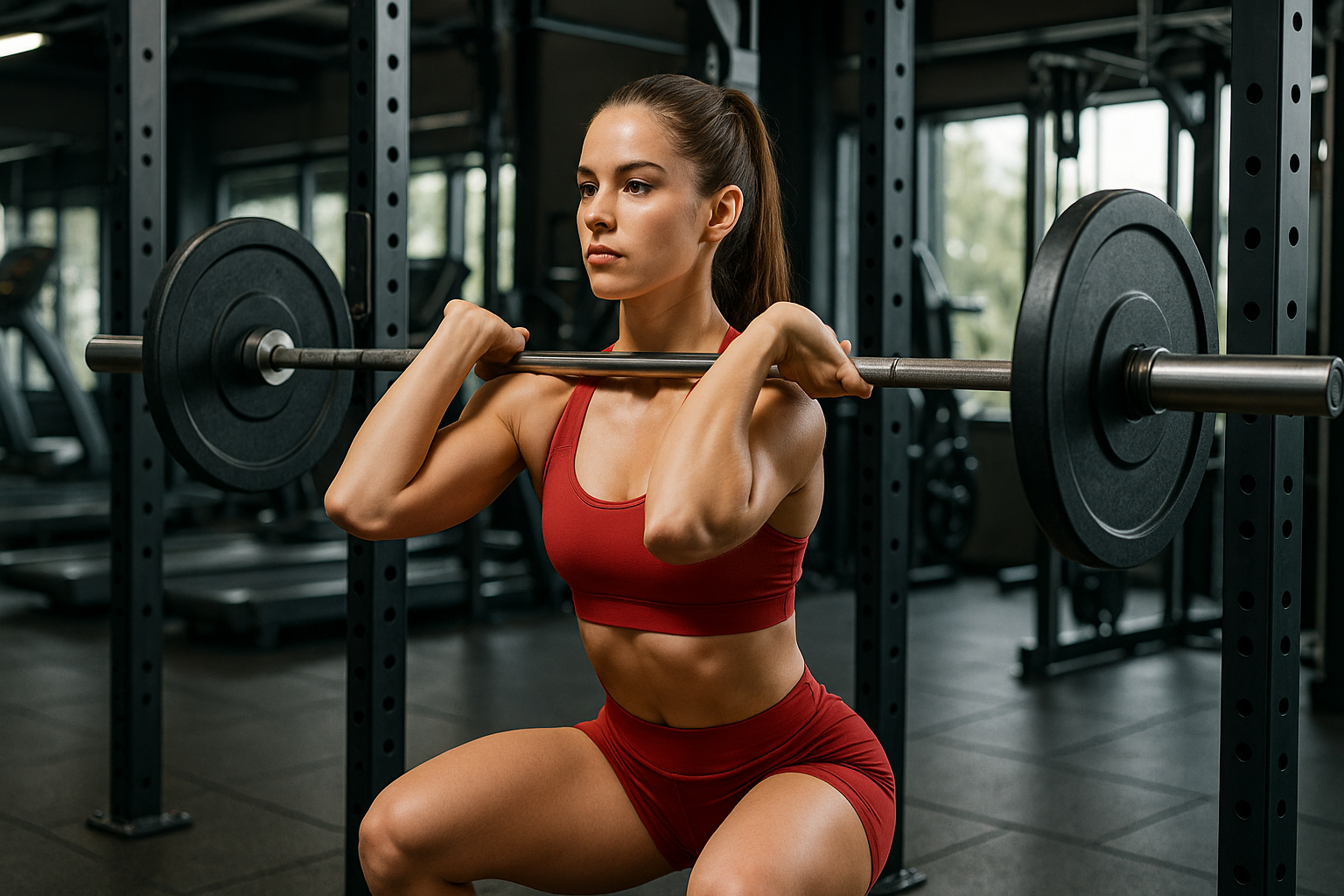
- Back Squat (or Front Squat) — 4 sets x 3–6 reps
- Focus: progressive overload and perfect form. Rest 2–3 minutes between sets.
2. Hypertrophy Block — Volume & Muscle Growth
- Romanian Deadlift — 3 sets x 8–12 reps
- Leg Press or Hack Squat — 3 sets x 8–12 reps
- Walking Lunges — 2–3 sets x 10–12 steps each leg
3. Balance & Single-Leg Work
- Bulgaria Split Squat — 3 sets x 8–10 reps each leg
- Single-Leg Romanian Deadlift — 2–3 sets x 8–10 reps each leg
- Focus on slow tempo and control — balance equals long-term strength gains.
4. Finisher & Calf Work
- Standing Calf Raises — 3 sets x 12–20 reps
- Short finisher: 3 rounds of 30 seconds sled pushes or bike sprints for conditioning
Form Cues & Technique Tips
Quality beats ego. Use these cues to protect your knees and back while maximizing muscle activation.
- Squat depth: aim for hips below parallel if mobility allows; keep chest up and core braced.
- Knees tracking: push knees slightly outward along your toes to protect the joint.
- Hip hinge: on deadlifts, hinge at the hips, maintain a neutral spine, and drive through the heels.
- Controlled descent: lower with purpose — a slower eccentric builds muscle and durability.
Progressive Overload & Training Frequency
Progressive overload is the engine of strength and muscle growth. Increase one variable at a time: weight, reps, sets, or density.
- Strength focus: increase load by 2–5% when you hit the top of rep range consistently for two sessions.
- Size focus: add a set or 2–3 extra reps per exercise over weeks.
- Frequency: train legs 1–2x per week depending on recovery. Split heavy and light days if you go twice.
Recovery Tips & Tools
Recovery matters as much as the workout. Prioritize sleep, nutrition, and active recovery to make gains and stay injury-free.
- Sleep: aim for consistent 7–9 hours to support muscle repair and hormonal balance.
- Nutrition: eat adequate protein and calories to fuel muscle growth and recovery.
- Hydration: keep fluid levels up — it affects performance and recovery.
- Tools: use foam rollers, massage balls, and compression boots for post-workout care.
For precise nutrition planning, try our calorie & macro calculator to match your leg day goals with the right fueling strategy.
Gym Tools & Equipment to Improve Results
Simple tools amplify technique and recovery. Here are gym essentials to add to your toolbox.
- Squat rack with safety pins — essential for heavy lifting and spot-free training.
- Barbell and bumper plates — core for progressive overload.
- Resistance bands — activate glutes and add variable resistance.
- Adjustable bench and dumbbells — enable unilateral and accessory work.
- Foam roller and mobility tools — speed up recovery and maintain flexibility.
Common Mistakes to Avoid
Avoid these pitfalls to keep progress steady and safe.
- Rushing reps — momentum reduces muscle tension and increases injury risk.
- Skipping unilateral work — this creates strength imbalances over time.
- Neglecting mobility — poor ankle or hip mobility limits depth and technique.
- Overtraining — not enough recovery leads to stalled gains and fatigue.
Read also: “Best Fitness Tools for Home and Gym”
Conclusion
Leg day doesn’t have to be daunting. With a plan that blends heavy lifts, hypertrophy sets, and balance work — plus smart recovery and the right tools — you’ll build strength, size, and resilient joints. Start with solid form, apply progressive overload, and use the calculators and tools at TotalHealthTools to tailor nutrition and recovery. Get after it and make each leg day count.