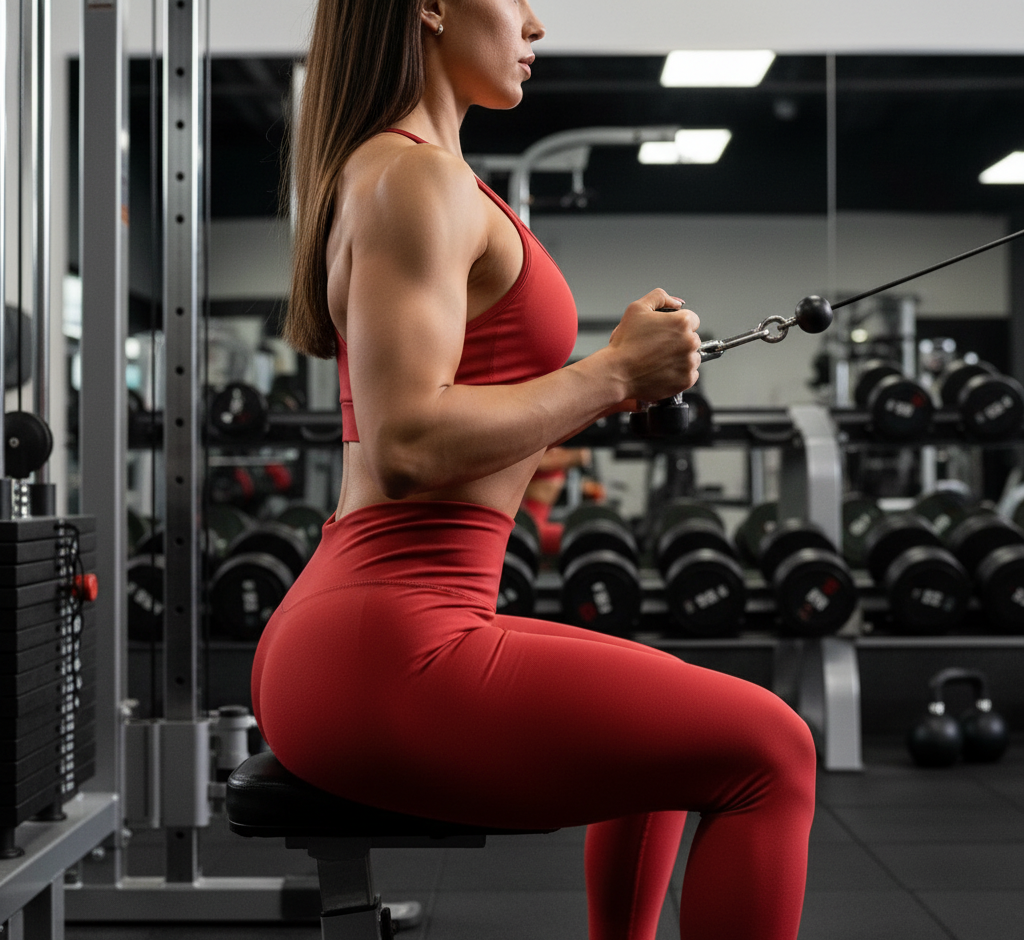
Choose the right smart scale to match your fitness goals — track weight, body fat, and recovery to power better workout routines and progress.
Table of Contents
How to Choose the Right Smart Scale
Choosing a smart scale is more than picking the sleekest model — it’s about selecting a tool that actually helps you hit your fitness goals. Whether you’re focused on muscle growth, tracking fat loss, or fine-tuning recovery, the right scale gives consistent, actionable data. In this guide I’ll walk you through practical features, how to use body composition numbers to support progressive overload, and simple ways to integrate scale data into your workout routines and recovery tips. Think of your scale as a training partner — one that nudges you toward better workouts and smarter choices.
Why a Smart Scale Matters for Fitness Progress
Smart scales do more than display weight. They measure trends and body composition metrics like body fat, muscle mass, and sometimes bone mass or water percentage. For strength training and muscle growth, tracking trends helps you adjust calories, protein intake, and training load without obsessing over daily fluctuations.
Use a scale to complement your gym tools — not replace them. Combine scale data with workout logs, progressive overload principles, and proper form to see real improvements in strength and body composition.
Key Features to Look For
When comparing models, focus on features that are actually useful in the gym and in your recovery routine.
- Body composition metrics: Body fat, lean mass, and visceral fat estimates give context beyond weight.
- Multi-user profiles: Syncs multiple athletes so each person’s history stays separate.
- App integration: Easy-to-read graphs, workout notes, and sync with popular fitness apps.
- Consistency and accuracy: Look for reviews that test repeat measurements and long-term stability.
- Data privacy: Clear policies and local storage options if you prefer limited cloud syncing.
- Battery life and build quality: A stable platform and long battery life matter if you use the scale daily.
Which Metrics Matter for Muscle Growth and Strength Training
Not every number matters equally. For muscle growth and progressive overload, prioritize these:
- Lean body mass / muscle mass — helps track actual muscle gains versus water or fat changes.
- Body fat percentage — useful for planning calorie cycles (bulk vs. cut).
- Trend lines over weeks — daily noise cancels out when you focus on weekly or monthly trends.
How to Use Scale Data with Workout Routines
Smart scale numbers are most useful when paired with a clear training plan. If you’re working on bicep workouts, leg day routine, or chest exercises, the scale won’t tell you how to lift — but it can tell you if your plan is producing the right body-composition changes.
Here’s a simple process to integrate scale data into your training:
- Weigh and measure once per week, same time and conditions (e.g., morning, after bathroom, before eating).
- Log workouts and note changes in strength: reps, sets, and progressive overload increments.
- Adjust calories and protein based on trends — more calories if lean mass stalls during a build; fewer if fat increases too fast during a bulk.
- Use recovery metrics (sleep, soreness, hydration) alongside scale trends to prevent overtraining.
Sample Weekly Check-In
- Day 1: Weigh-in, measure body fat, log results.
- Day 2–6: Follow your workout plan (e.g., heavy squat day for leg day routine, focused chest exercises, and targeted bicep workouts).
- Day 7: Review trends, adjust calories or training intensity for the next week.
Recovery Tips and Using the Scale to Monitor Them
Recovery is where gains happen. Smart scales that track water and trends can help you spot when you’re under-recovered or dehydrated. If muscle mass reads drop unexpectedly while strength is down, consider prioritizing sleep, mobility work, and light active recovery.
- Prioritize 7–9 hours of sleep to support muscle repair.
- Use light mobility or foam rolling between heavy sessions to speed recovery.
- Hydrate consistently — changes in water can alter daily scale readings, so factor that in.
Common Mistakes to Avoid
Buyers often expect instant accuracy. Here’s how to avoid frustration:
- Don’t obsess over daily weight — focus on weekly averages.
- Avoid comparing different scales; stick with one device for consistent trend data.
- Don’t use scale data alone — pair it with workout performance and photos for a full picture.
Choosing the Right Model for Your Goals
Match the scale to your priority:
- If you’re strength training and focused on muscle growth: choose one with reliable lean mass measurements and solid app tracking for progressive overload notes.
- If you need general health tracking: a simple BMI and weight-recording model may suffice.
- If you want deep recovery insights: look for models that integrate sleep or link with devices that track heart rate variability (HRV).
Read also: “Calorie & Macro Calculator”
Putting It All Together: Actionable Steps
Here’s a simple checklist to get started with the right smart scale and make it work for your workouts:
- Decide your priority: fat loss, muscle gain, or recovery tracking.
- Choose a scale with the metrics that support that goal (lean mass for muscle gain, reliable body fat for fat loss).
- Weigh under consistent conditions and track weekly averages, not daily spikes.
- Log workouts and use progressive overload in your routine — increase weight, reps, or sets gradually.
- Use recovery tips: sleep, hydration, and mobility to support the numbers on the scale.
Want a deeper dive into how your numbers translate to training adjustments? Use our tools to calculate targets and track progress:
Conclusion
Choosing the right smart scale comes down to your goals and commitment to consistent tracking. Use the scale to inform, not dictate, your training: pair data with progressive overload, targeted workouts like chest exercises and bicep workouts, and smart recovery strategies. Stick with one reliable device, check trends weekly, and let the numbers help you make small, steady improvements. Get started today — weigh, train, recover, and repeat.