Use a macro calculator to hit bodybuilding macros, boost muscle growth, and fine-tune workout routines with practical tips and recovery strategies.
Dialing in your macros is one of the smartest moves you can make for consistent muscle growth and improved performance. Whether you’re aiming for lean mass, strength gains, or a recomposition, a macro calculator gives you a clear, practical plan to follow. This guide will walk you through using a macro calculator, pairing your nutrition with strength training, and structuring workouts like chest exercises and leg day routines to match your goals.
Why Macronutrients Matter for Muscle Growth
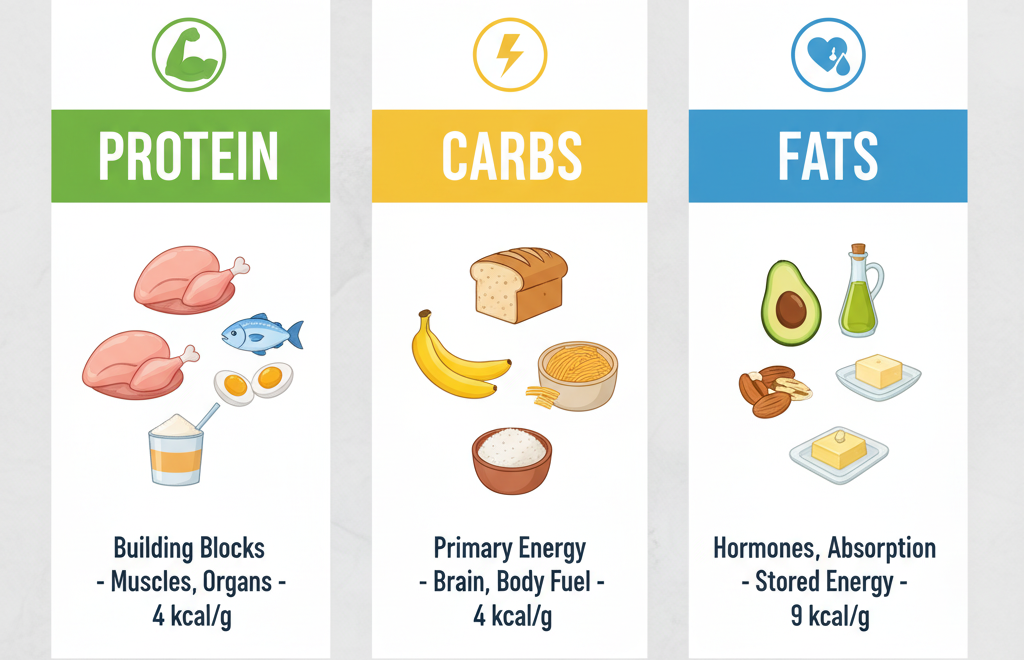
Macros — protein, carbohydrates, and fats — are the building blocks that fuel your workouts and recovery. When you eat with purpose, you support muscle repair, training intensity, and hormonal balance.
Think of macros as tools: protein for muscle growth and repair, carbs for training energy and glycogen replenishment, and fats for hormone production and satiety. Using a macro calculator takes the guesswork out of how much of each you should eat every day. If you’ve ever wondered why your muscles aren’t growing as fast as you hoped—even though you’re hitting the gym consistently—the answer might be hiding in your plate, not your workout. Macronutrients, or simply “macros,” are the nutrients your body needs in larger amounts: protein, carbs, and fats. And when it comes to building muscle, each one plays a very specific role. Most people focus only on lifting heavier weights or increasing reps, but without the right macro balance, your muscles don’t have what they need to recover and grow.
Why Protein Matter for Muscle Growth
Protein gets most of the spotlight in muscle-building conversations, and honestly, it deserves it. Every time you lift weights, you create tiny tears in your muscle fibers. Protein helps patch those tears, making the muscles stronger and bigger over time. If you’re not eating enough protein, your body simply can’t repair itself well, no matter how hard you train. That’s why spreading protein throughout the day—breakfast, lunch, dinner, and post-workout—helps keep muscle repair going. Foods like eggs, chicken, tofu, beans, dairy, and fish are all great options. It’s not about stuffing yourself with protein shakes; it’s about giving your body a steady supply of amino acids so it can do its job.
Why Carbohydrates Matter for Muscle Growth
Carbohydrates are often misunderstood, especially by people trying to lose fat while building muscle. But carbs are your body’s preferred energy source, especially during tough workouts. When you eat carbs, your body stores them as glycogen in your muscles. That glycogen is what fuels your squats, deadlifts, sprints, and every rep you push through. If you don’t have enough carbs, you’ll feel weaker, your endurance drops, and your performance suffers. So instead of avoiding carbs, choose better ones—whole grains, fruits, vegetables, oats, sweet potatoes. Eating carbs before and after your workouts is like giving your body the fuel and the recovery boost it needs to perform its best.
Why Fats Matter for Muscle Growth
Fats are the “quiet heroes” in the macro world. They don’t give quick energy like carbs or repair muscle like protein, but they support your hormones—and hormones are everything when it comes to muscle growth. Healthy fats help your body produce testosterone and growth hormone, both of which are essential for building and maintaining muscle. They also help your joints stay happy and absorb vitamins that keep your body functioning smoothly. Avocados, olive oil, nuts, seeds, and fatty fish are excellent sources. You don’t need a huge amount of fat, but you do need enough to keep your hormones balanced.
Protein and Strength Training
Protein is essential for muscle protein synthesis. Aim to align your protein intake with your training volume and intensity; the macro calculator can output grams per day so you can plan meals around strength workouts, bicep workouts, and compound lifts.
Carbs for Workouts and Recovery
Carbs power heavy sets and high-volume sessions. If you’re pushing progressive overload, carbs help you maintain intensity across workouts such as chest exercises or leg day routines.
Fats for Hormones and Focus
Fats support hormones, brain function, and overall recovery. Keep dietary fats moderate so they complement protein and carbs without sabotaging your calorie targets.
How to Use a Macro Calculator: Step-by-Step
Using a macro calculator is straightforward when you follow these steps. Treat it like a coach — set it, monitor results, and adjust.
- Enter accurate body stats: weight, height, age, and sex to get a realistic starting point.
- Choose an activity level that matches your weekly training and daily movement.
- Decide your goal: muscle gain (small surplus), fat loss (moderate deficit), or maintenance.
- Set a protein target based on bodyweight or goals — the calculator often suggests this in grams.
- Distribute remaining calories between carbs and fats to support training and recovery.
- Adjust for training vs. rest days as needed — higher carbs on heavy lifting days, slightly lower on rest days.
- Track your intake daily and revisit the calculator after 2–4 weeks to refine numbers based on progress.
Read also: “Calorie + Macro Calculator”
Read also: “Protein Intake Calculator”
Pairing Macros with Effective Workout Routines
Nutrition and training go hand-in-hand. Your macros should support the demands you place on your body in the gym.
Here’s a simple weekly split that pairs well with a muscle-building macro plan:
- Day 1: Chest + Triceps (focus on heavy presses and controlled reps)
- Day 2: Back + Biceps (rows, pull-ups, and targeted bicep work)
- Day 3: Rest or active recovery (light cardio, mobility)
- Day 4: Legs (squat variation, hamstring work, and calf training)
- Day 5: Shoulders + Core (presses, lateral raises, core stability)
- Day 6: Full-body or weak-point training (bicep workouts, chest exercises, or leg day routine focus)
- Day 7: Rest
Match higher-carb days to your toughest sessions like heavy leg day or volume chest workouts to maximize performance and recovery.
Sample Exercises for Each Session
- Chest exercises: Barbell bench press, incline dumbbell press, cable flyes
- Bicep workouts: Barbell curls, hammer curls, incline dumbbell curls
- Leg day routine: Back squats, Romanian deadlifts, lunges, leg press
- Back: Pull-ups, bent-over rows, single-arm dumbbell rows
Progressive Overload and Recovery Tips
Progressive overload is the engine of muscle growth — increase weight, reps, or volume gradually. Your macro strategy should support that progression by providing enough calories and protein to recover from sessions.
- Increase load conservatively: add 2.5–5% weight or one rep per week where possible.
- Prioritize sleep and hydration — both impact recovery and how your body responds to macros.
- Use deload weeks every 4–8 weeks based on fatigue and performance.
- Adjust calories if you stall: small increases for plateaus in strength, slight cuts for excess fat gain.
Using Tools and Tracking Without Overcomplicating
Consistency beats perfection. A macro calculator is a tool, not a rulebook. Track trends over weeks, not daily fluctuations. Use a macro tracker app or a simple journal to log calories and macros, and check progress every 2–4 weeks.
- Log main meals and snacks — aim for consistency rather than perfection.
- Weigh foods or use portion estimates for accuracy during critical phases.
- Use gym tools like a training log to align nutrition with lifting progress.
- Recalculate macros after a substantial bodyweight change or training shift.
Conclusion
Using a macro calculator gives you a practical roadmap to achieve bodybuilding goals without guesswork. Combine the numbers with consistent strength training, progressive overload, and smart recovery to see steady gains. Start with the calculator, track your progress, and make small, data-driven adjustments — then get after your next workout.