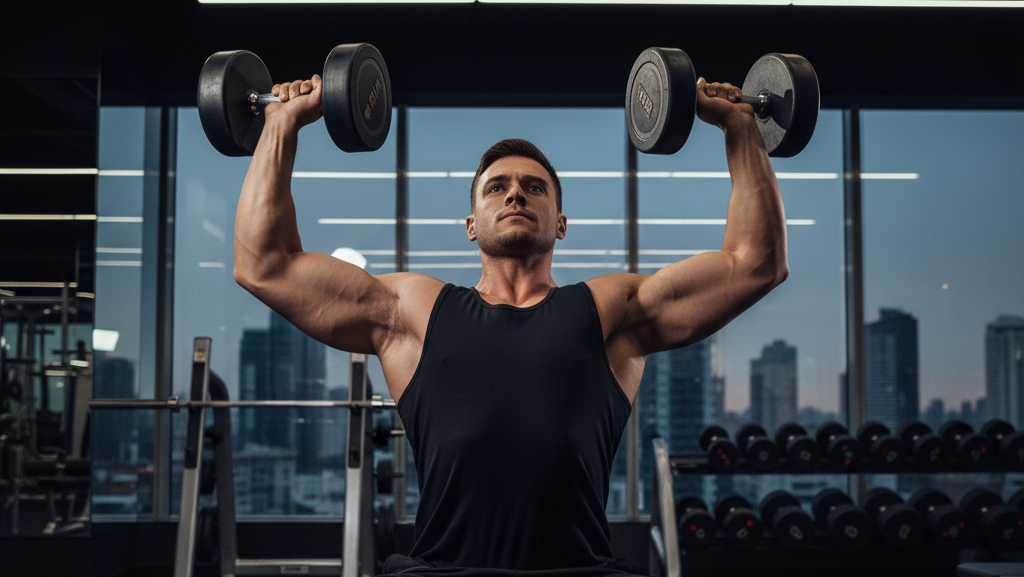
Learn the differences between chest flys and presses, plus practical tips, form cues, and workout plans to build strength and muscle effectively.
Table of Contents
Chest Fly vs Press: Which to Prioritize?
Deciding between chest flys and presses can feel like choosing sides in the gym, but there’s a smarter way: understanding what each move delivers and how they fit into your strength training plan. Whether you’re chasing muscle growth, improving bench numbers, or sculpting chest definition, both exercises have a place. This guide breaks down form cues, tools, recovery tips, and sample workouts so you can program chest flys and presses with purpose and confidence.
Understanding the Difference: Chest Fly vs Press
The press (barbell, dumbbell, or machine) is a compound movement that recruits the chest, shoulders, and triceps and allows heavy loading for strength and progressive overload. The fly (dumbbell, cable, or pec deck) is an isolation exercise that emphasizes stretch and contraction of the pectoral muscles.
Think of presses as the foundation for strength and overall mass, while flys are the detail work that improves shape, range of motion, and the mind-muscle connection. Both use gym tools—barbells, dumbbells, cables, benches, and resistance bands—to produce results when used correctly.
When to Focus on the Press (Strength & Mass)
Choose presses when your goal is to build raw pressing strength and compound muscle growth. Presses allow for progressive overload, which is the main driver of strength and hypertrophy in a structured workout routine.
- Benefits: Heavy loading, full-body bracing, improved functional strength.
- Common tools: Barbell bench press, dumbbell press, incline press, chest press machine.
- Form cues: Retract your shoulder blades, keep feet planted, drive through your chest on the concentric, control the descent.
- Programming: Strength focus: 3–5 sets of 3–6 reps. Hypertrophy focus: 3–4 sets of 6–12 reps.
When to Use the Fly (Isolation & Shape)
Flys are ideal when you’re refining muscle shape, improving the stretch at the bottom of the movement, and targeting the chest without heavy tricep or shoulder involvement. They’re excellent as accessory work after pressing variations.
- Benefits: Greater chest isolation, improved range of motion, and enhanced time under tension for muscle growth.
- Common tools: Dumbbells on a flat or incline bench, cable crossovers, pec deck machine, resistance bands.
- Form cues: Maintain a slight bend in the elbows, avoid dropping too deep past a comfortable stretch, use slow controlled reps and emphasize the squeeze at the top.
- Programming: 3–4 sets of 8–15 reps, focused on tempo and contraction rather than load.
Build a Balanced Chest Workout
Combining presses and flys in the same session gives you strength and shape. Start with a compound press to lift heavy while you’re fresh, then follow with flys to tax the chest from different angles and increase metabolic stress.
- Sample routine A (Strength-focused):
- Barbell bench press — 4 sets x 4–6 reps
- Incline dumbbell press — 3 sets x 6–10 reps
- Cable fly (high-to-low) — 3 sets x 10–12 reps
- Sample routine B (Hypertrophy-focused):
- Dumbbell flat press — 3 sets x 8–12 reps
- Pec deck or machine fly — 3 sets x 10–15 reps
- Bodyweight dips or push-ups — 3 sets to near-failure
Progressive Overload and Tracking
Progressive overload doesn’t always mean heavier weights. Track reps, sets, tempo, and time under tension. Add micro-plates, increase reps, slow the eccentric, or reduce rest to keep progressing. Use gym tools like resistance bands for accommodating resistance and cables for constant tension.
For data-driven progress, use a calorie and macro plan to support training and recovery. Small consistency wins—tracking workouts and nutrition helps muscle growth and strength gains stay on track.
Recovery Tips for Better Gains
Recovery is where your training turns into results. Prioritize sleep, protein intake, and active recovery. Mobility work and tools like foam rollers or massage guns help relieve tightness, while bands and light cable work can promote blood flow without heavy loading.
- Sleep 7–9 hours whenever possible.
- Aim for sufficient protein across meals to support muscle repair.
- Schedule 48–72 hours between heavy chest sessions depending on intensity.
- Use light mobility and band work on off-days to maintain range of motion.
Safety & Smart Progression
Always prioritize form over ego. When adding weight, ensure your shoulders and scapula are stable. If you feel sharp pain, stop and reassess the movement or load. Slow, consistent progression beats sporadic heavy attempts that derail training.
Keep variety—rotate incline, flat, and decline presses and switch between dumbbells, barbells, and cables every 4–8 weeks to encourage balanced development and avoid plateaus.
Read also: “Calorie & Macro Calculator”
Read also: “Chest Workout Plans & Templates”
Read also: “Fitness Tools to Track Progress”
Conclusion
Presses and flys are complementary: presses build the foundation of strength and mass while flys sculpt and refine the chest muscle. Use presses early in your session for heavy work, and add flys as targeted accessory work. Track your progress, prioritize recovery, and use the right gym tools to support your goals—your best chest is built with both smart programming and consistent effort.