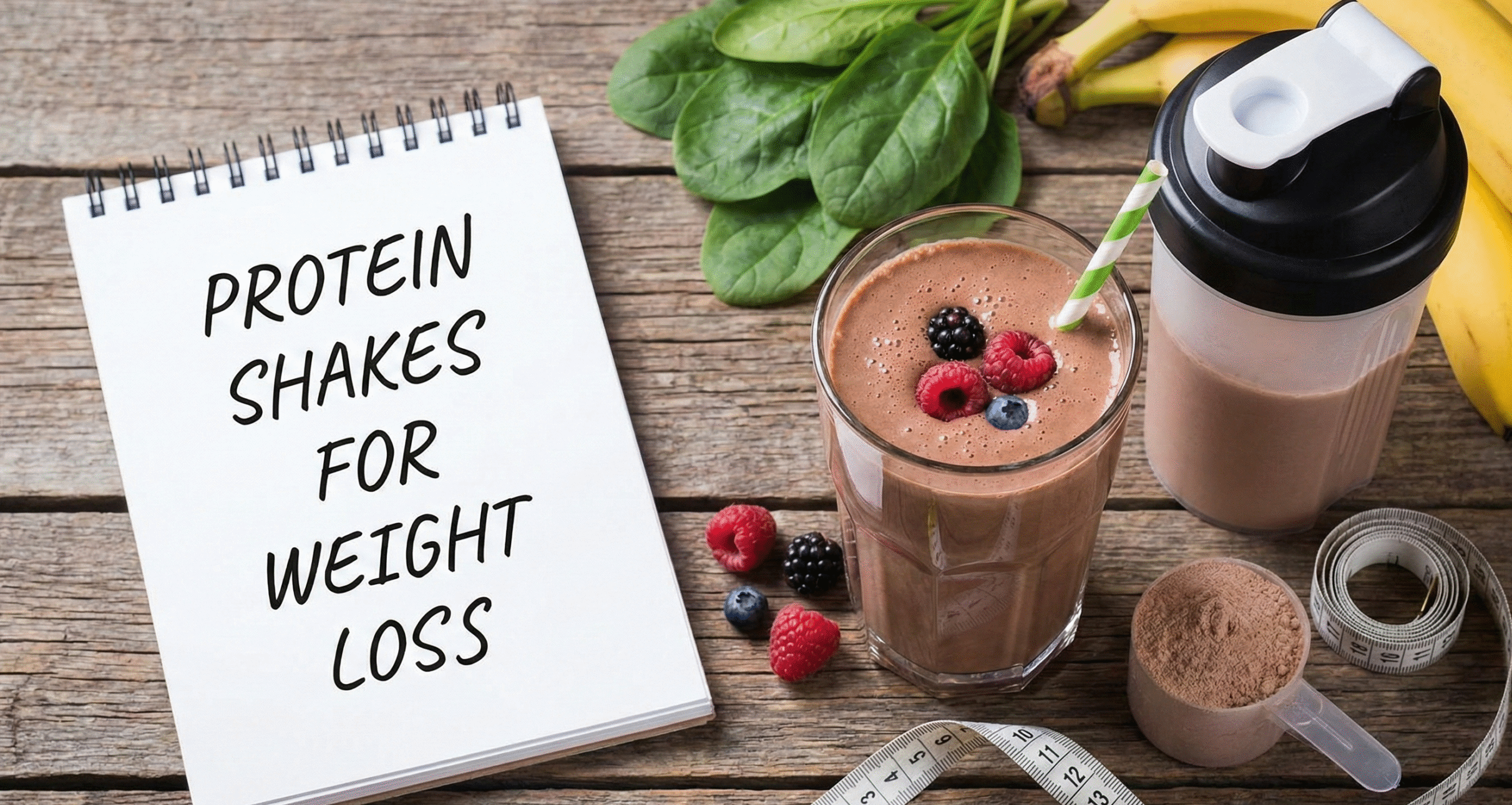
Use protein shakes strategically for weight loss—timing, recipes, and workout pairings to support fat loss, muscle growth, and recovery.
Struggling to lose fat without losing muscle? You’re not alone. Protein shakes can be a powerful tool when used the right way — not as a magic potion, but as a convenient, precise way to hit protein goals, support workouts, and improve recovery. This guide explains when to use protein shakes for weight loss, how to build them around workouts and daily life, and how to pair them with strength training and proper progression so you burn fat and build strength sustainably.
Why Protein Shakes Help with Weight Loss
Protein plays a central role in body composition. It preserves lean mass while in a calorie deficit, boosts satiety, and increases the thermic effect of food (you burn more calories digesting protein). A shake is a practical way to get high-quality protein without excessive calories when you need it most.
When weight loss is the goal, the aim is to maintain strength and muscle while trimming fat. That’s where targeted protein intake and timing — not extreme diets — win. Research supports higher protein intakes during dieting to maintain muscle and metabolic rate; see reliable sources like Mayo Clinic and evidence summaries at PubMed/NCBI for more context.
Practical benefits of shakes
- Convenience: Quick, packable, consistent protein dose.
- Satiety: Liquid protein can curb cravings when combined with fiber or healthy fats.
- Flexibility: Easy to track calories and macros, helpful in a calorie deficit.
- Recovery support: Helps muscle repair when consumed around workouts.
When to Use Protein Shakes for Weight Loss (Timing & Purpose)
Timing matters less than total daily protein, but strategic timing can help workouts, recovery, and appetite control. Use shakes as a tool based on your routine and goals.
Pre-workout (30–90 minutes before)
- Purpose: Provide amino acids during training and prevent excessive muscle breakdown.
- How: Choose a smaller shake (15–25 g protein) with some carbs if you need fuel; e.g., whey + banana or oats.
- Best for: Fasted training or long sessions where you want muscle protection.
Post-workout (within 30–120 minutes)
This is often the most practical use during weight loss. After resistance training, muscles are primed to take in amino acids. A shake with 20–40 g protein helps kick-start repair and growth. Pair with 20–30 g carbs if your training was glycogen-depleting.
Between meals or as a meal replacement
- Use a shake when you’re short on time, but avoid replacing whole-food meals frequently — whole foods provide additional nutrients and satiety.
- Keep shakes balanced: add a tablespoon of nut butter or a few grams of fiber to slow digestion if needed.
Before bed
Slow-digesting proteins like casein can help maintain amino acid availability overnight. A 20–40 g casein-rich shake can be a useful tactic for preserving muscle in a calorie deficit without excess calories.
How to Build a Weight-Loss-Friendly Protein Shake
A successful shake balances protein, fiber, and healthy fats to control hunger and energy without excess calories.
- Protein base: 20–40 g from whey, casein, pea, soy, or mixed plant proteins.
- Fiber: 5–10 g from berries, spinach, chia seeds, or oats to increase satiety.
- Healthy fat: 5–10 g from nut butter, avocado, or flaxseed for taste and sustained energy.
- Liquid: Water, unsweetened almond milk, or skim milk to control calories.
Example shake (approx. 300 kcal):
- 1 scoop whey protein (25 g protein)
- 1/2 cup unsweetened almond milk
- 1/2 cup frozen berries (fiber + flavor)
- 1 tbsp peanut butter (healthy fat)
- Optional: 1/2 cup spinach (micronutrients)
Protein Shakes vs Whole Foods for Weight Loss: When to Choose Which
Whole foods should be your default because they provide micronutrients and variety. Use shakes as a supplement — a precision tool to meet protein targets or support training days.
- Choose whole food meals when you have time to prepare balanced plates.
- Choose shakes for convenience, post-workout needs, or to hit protein when appetite is low.
- Track total calories and protein; if you use a shake, adjust your next meal to keep your daily calorie target.
Check also: “Protein Intake Calculator”
Pairing Protein Shakes with Strength Training
Protein shakes are most effective when paired with a structured strength program. If your goal is fat loss with muscle retention or even gains, your training must include progressive overload and compound movements.
Progressive overload — the engine for change
Progressive overload means steadily increasing the stress on muscles over time so they adapt by getting stronger or bigger. Use the following progression steps:
- Start with form mastery: learn safe technique for squats, deadlifts, presses, and rows.
- Increase load gradually: 2.5–5% increments when reps are easily achieved.
- Manipulate volume: add sets or reps if weight increments are not available.
- Periodize: include weeks of lighter loads for recovery every 4–8 weeks.
Combine your protein intake with regular strength sessions — aim for at least 2–4 resistance workouts per week to preserve muscle while losing weight.
Sample weekly strength plan (for fat loss)
- Day 1 — Full-body strength (focus: chest, back, legs): 3 sets x 5–8 reps each compound
- Day 2 — Active recovery or cardio (light)
- Day 3 — Upper body: presses, rows, accessory arm work
- Day 4 — Lower body: squats, deadlifts, lunges
- Day 5 — Full-body or metabolic conditioning
- Day 6 — Mobility and light movement
- Day 7 — Rest
Bicep Workouts: Integrating Shakes for Recovery
Biceps get direct work through isolation exercises and indirect through pulling movements. Protein after training accelerates recovery so the next session is productive.
Effective bicep exercises
- Standing barbell curls — 3 sets x 6–10 reps (controlled eccentric)
- Dumbbell alternating curls — 3 sets x 8–12 reps (full range)
- Hammer curls — 3 sets x 8–12 reps (brachialis emphasis)
- Chin-ups — 3 sets to failure (compound, increases strength)
Form cues: keep shoulders down, control the eccentric (lowering phase) for 2–3 seconds, avoid swinging the body. After a focused biceps session, a 20–30 g protein shake supports repair and growth.
Chest Exercises: Fueling Strength and Size
Chest workouts benefit from both compound presses and accessory movements. Protein shakes post-session are ideal to promote glycogen recovery and muscle protein synthesis.
Chest workout template
- Barbell bench press — 4 sets x 4–8 reps
- Incline dumbbell press — 3 sets x 8–12 reps
- Cable flyes or dumbbell flyes — 3 sets x 10–15 reps
- Push-ups — 2–3 sets to failure (finisher)
Form cues: keep scapulae retracted on the bench press, drive feet into the floor, and avoid flaring elbows too wide to protect the shoulders.
Home Workouts vs Gym Workouts: How Shakes Fit In
Whether you train at home or in the gym, protein shakes offer consistent macronutrient delivery. The difference is exercise selection and equipment availability.
Home workouts
- Focus on compound bodyweight moves: push-ups, pull-ups (or rows with bands), split squats, and hip thrusts.
- Use tempo and sets to increase challenge: slow eccentrics, paused reps, or higher volume.
- Sample session: 3 rounds — 12 push-ups, 10 single-leg RDLs, 8 pull-ups/rows, 20 walking lunges.
Gym workouts
- Utilize heavier loading: barbells, machines, and cable systems allow for progressive overload easier.
- Structure: heavy compound lifts early, then accessory work.
- Shakes: drink post-gym to replenish and support repair, especially on heavy lifting days.
Leg Day Routine: Preserve Muscle While Losing Weight
Leg sessions are metabolically demanding and crucial for strength and hormonal responses. Prioritize protein pre- or post-session to help with recovery.
Sample leg day (strength + hypertrophy)
- Barbell back squat — 4 sets x 5–8 reps (strength)
- Romanian deadlift — 3 sets x 6–10 reps (hamstrings, posterior chain)
- Walking lunges — 3 sets x 10–12 reps per leg
- Leg press or Bulgarian split squat — 3 sets x 10–15 reps
- Calf raises — 4 sets x 12–20 reps
Form cues: maintain a neutral spine, drive through heels, and aim for controlled tempo. On big leg days, a slightly larger shake with carbs can help replenish glycogen and reduce soreness.
Strength Training Principles That Maximize the Impact of Protein Shakes
To make shakes work, you must follow training principles that drive adaptation. Here’s how to combine training and nutrition smartly.
Key principles
- Consistency: Stick with a program for at least 8–12 weeks before major changes.
- Progression: Add weight, reps, or sets over time.
- Recovery: Incorporate deload or lighter weeks to avoid burnout.
- Protein distribution: Spread protein across 3–5 meals/snacks to maximize synthesis throughout the day.
Distribute protein evenly; for many, 20–40 g per meal works well. Use the protein-intake calculator tool for personalized targets.
Recovery Tools: Use Shakes with Smart Recovery Strategies
Protein is one part of recovery. Combine shakes with sleep, hydration, and active recovery to improve performance and body composition outcomes.
- Sleep: Aim for consistent sleep patterns — quality sleep helps muscle recovery and appetite regulation.
- Hydration: Drink water throughout the day; dehydration impairs strength and recovery.
- Mobility and foam rolling: Reduce soreness and maintain range of motion.
- Planned rest days: Allow muscles to rebuild stronger.
Use recovery calculators and trackers to plan intensity and rest, such as the recovery-time estimator and sleep recovery tools available on fitness platforms.
Check also: “Recovery Time Estimator”
Muscle Growth and Fat Loss: Balancing Both with Shakes
Want to look lean and strong? The formula is simple but not easy: a moderate calorie deficit, high protein, and resistance training. Protein shakes make hitting protein targets realistic, especially on busy days or when appetite drops during dieting.
Principles for simultaneous fat loss and muscle maintenance
- Small calorie deficit: 10–20% below maintenance tends to preserve strength better than aggressive cuts.
- High protein: 1.2–2.2 g/kg bodyweight is commonly recommended depending on activity level and goals.
- Maintain intensity: Keep lifting heavy while reducing volume moderately to avoid muscle loss.
- Recovery: Prioritize sleep and nutrition to support training adaptations.
Remember, scales lie — measure progress with strength improvements, how clothes fit, and body measurements, not just weight alone. Pair shakes with consistent strength sessions for the best long-term outcome.
Mistakes People Make with Protein Shakes
A few common missteps can derail results. Avoid these to make shakes work for you.
- Using shakes as the primary diet: Relying on shakes and ignoring whole foods leads to nutrient gaps and poor satiety.
- Ignoring calories: Even low-calorie shakes add up; track them in your daily plan.
- Poor ingredient choices: Sugary premixed shakes can spike calories and hunger.
- Timing panic: Overemphasizing exact timing over total daily protein. Focus on daily targets and consistent pre/post-workout routines.
Action Plan: How to Use Protein Shakes This Week
Follow a simple, practical 7-day plan to integrate shakes into your weight-loss strategy without chaos.
- Day 1: Calculate your protein target using an online tool. Aim to distribute it across meals. (Protein Intake Calculator)
- Day 2: Prepare a basic post-workout shake — whey (25 g), water or almond milk, half banana. Drink within 60–90 minutes after training.
- Day 3: Use a shake as a mid-afternoon snack to avoid overeating at dinner. Add fiber (chia or berries) to increase satiety.
- Day 4: Train legs hard. Have a larger shake with carbs post-session to aid glycogen recovery.
- Day 5: Try a casein shake before bed after a moderate workout day to support overnight recovery.
- Day 6: Meal prep whole-food protein sources (chicken, beans) and plan one shake for the busy day ahead.
- Day 7: Reflect on progress — energy levels, hunger, workout performance. Adjust shake size and timing as needed.
Sample Shake Recipes for Fat Loss
Keep these simple, tasty, and low in added sugars.
- Berry Green Shake: whey isolate (25 g), 1/2 cup berries, 1 cup spinach, 1 tbsp ground flaxseed, water/almond milk.
- Chocolate Coffee Kick: chocolate whey (25 g), cold-brew coffee, 1/2 banana, 1 tbsp peanut butter, water.
- Casein Night Mix: casein (30 g), 1 cup skim milk or unsweetened almond milk, cinnamon.
- Vegan Protein Bowl: pea + rice blend (30 g), 1/4 cup oats, 1 tbsp chia, 1/2 cup berries, water.
Measuring Results: Track Strength, Not Just Scale Weight
Protein shakes help if they support consistent training and recovery. Track progress with multiple metrics:
- Strength numbers (squat, deadlift, press progress)
- Body measurements and how clothes fit
- Energy and recovery — can you train hard again soon?
- Consistency with daily protein targets
Use tools like a calorie-macro calculator or workout-to-step converter to keep your plan aligned with daily activity and intake.
Check also: “Calorie Macro Calculator”
External Resources and Research
For evidence-based reading and practical guides, check reputable sources:
- Healthline — accessible articles on protein and weight loss.
- ACE Fitness — standards and exercise guidance for trainers and lifters.
- NCBI / PubMed — research studies on protein timing and diet composition.
Common Questions Answered
Will protein shakes make me gain weight?
Shakes alone won’t make you gain weight—calories will. If you’re in a calorie surplus and not training, extra protein can add calories. Use shakes to meet targets within your daily calorie plan.
How much protein per shake?
Post-workout: 20–40 g depending on body size and session intensity. For other snacks, 15–25 g is usually sufficient.
Are plant-based proteins as effective?
Yes, with a few considerations. Combine complementary proteins or choose blends (pea + rice) to improve amino acid profile. Dose slightly higher if bioavailability is lower.
Putting It All Together: Sustainable Habits for Long-Term Success
Sustainable fat loss is built on consistency, not extreme measures. Use protein shakes as an efficient tool within a broader plan: a moderate calorie deficit, a reliable strength program that emphasizes progressive overload, and recovery practices that let you train hard week after week.
- Plan your protein intake across the day.
- Use shakes strategically — post-workout, busy times, or pre-bed when needed.
- Keep workouts focused on compound lifts and progressive overload.
- Track strength gains and recovery, not just scale weight.
Conclusion
Protein shakes are a smart, flexible tool to support weight loss when paired with consistent strength training, progressive overload, and recovery practices. They simplify hitting protein targets, help preserve muscle, and can improve satiety during a calorie deficit. Use them wisely—alongside whole foods and a structured workout plan—and you’ll build strength, lose fat, and create sustainable habits that last beyond the scale.