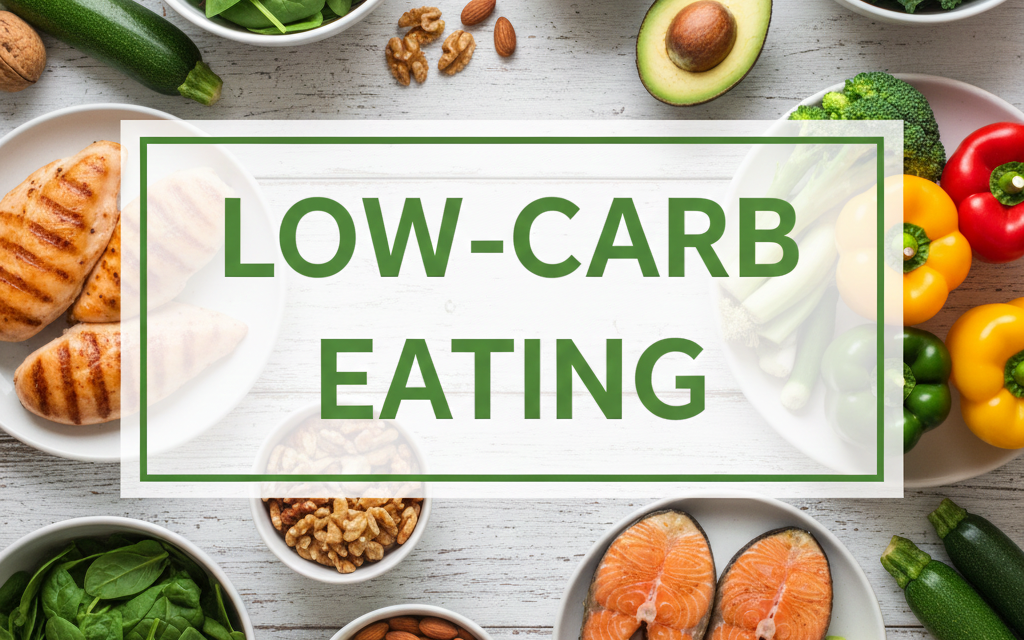
Fast, sustainable low-carb eating plan for effective fat loss. Practical workouts, meal plans, and recovery tips for strength and muscle growth.
Look, I get it – you want to drop fat fast, but you’re worried about losing all that hard-earned muscle in the process. Trust me, everyone struggles with this balance.
That’s exactly why I put this guide together. Think of it as having a coach in your corner who actually gets what you’re going through. We’re going to walk through a straightforward low-carb approach that works with your body, not against it. And yeah, it’s backed by science, but I promise to skip the jargon.
Here’s what you’ll find inside: meal strategies you can actually stick to (no bland chicken and broccoli for weeks on end), smart strength training that keeps your muscles while the fat comes off, workouts for wherever you train – home, gym, doesn’t matter – and recovery tips that’ll keep you from burning out.
The goal? Keep you moving forward, feeling strong, and actually enjoying the process.
Why a Low-Carb Eating Plan Works for Fat Loss
Low-carb eating reduces insulin spikes and often leads to a spontaneous drop in calorie intake because of increased fullness from protein and fat. But it’s not a magic bullet — it’s a tool. When combined with strength training and smart recovery, low-carb diets can speed up fat loss while preserving muscle.
Focus on sustainable habits—meal prep, consistent workouts, and progressive overload in the gym. These habits protect metabolism and performance during weight loss so you lose fat, not hard-earned muscle.
Setting Realistic Low-Carb Eating Targets
Start by defining your goals: fat loss speed, performance priorities, and how low you want to go with carbs. A conservative, sustainable approach is to reduce carbs moderately rather than eliminating them.
- Moderate low-carb: 75–150 grams/day — great for training performance.
- Lower-carb: 30–75 grams/day — can accelerate fat loss but may require adaptation.
- Very low / ketogenic: under 30 grams/day — not necessary for most people and may reduce training intensity.
Protein is priority: higher protein supports muscle retention and satiety. Aim for 0.7–1.0 grams per pound of body weight if your goal is fat loss with strength maintenance.
Check also: “Protein Intake Calculator”
Check also: “Calorie & Macro Calculator”
Macro Split Examples
- Moderate low-carb: Protein 30–40%, Fat 35–50%, Carbs 15–30%
- Lower-carb for faster fat loss: Protein 35–45%, Fat 50–60%, Carbs 5–15%
Adjust based on training needs. If you lift heavy or sprint, keep carbs higher around workouts to fuel performance and recovery.
Practical Low-Carb Eating Meal Plan — Template for a Week
Below is a realistic pattern that balances satiety, convenience, and nutrition without extreme restriction.
Daily structure
- Breakfast: High-protein, moderate fat, low-carb.
- Pre-workout snack (optional): Small protein + fat or low glycemic carb if needed.
- Post-workout meal: Protein + veggies + moderate fat (consider some carbs if performance matters).
- Dinner: Protein and plenty of fibrous vegetables, healthy fats.
- Snacks: Nuts, Greek yogurt, cottage cheese, or protein shakes.
Example Day
- Breakfast: 3-egg scramble with spinach, mushrooms, and 1 oz cheese. Coffee with a splash of milk or cream.
- Lunch: Grilled chicken salad with mixed greens, avocado, cucumber, olive oil, and lemon.
- Snack: Plain Greek yogurt with a few crushed walnuts and cinnamon.
- Pre-workout (if needed): 1 small apple or a scoop of whey protein (for higher-carb approach).
- Dinner: Salmon, roasted broccoli, and a side salad with olive oil.
- Optional evening snack: Cottage cheese or a small handful of almonds.
Swap proteins and veggies daily for variety. Meal prepping proteins, cutting veggies, and using simple dressings makes adherence easier.
How to Train on a Low-Carb Eating Plan
Training smart preserves muscle and supports metabolic rate as you cut calories. Prioritize strength training and progressive overload — that combination protects muscle and improves body composition.
Strength Training Fundamentals
- Train major lifts 3–4 times per week (squat, hinge, press, row, pull-up/chin-up variations).
- Use compound movements for the best hormonal and metabolic response.
- Keep rep ranges mixed: 4–6 reps for strength, 8–12 for hypertrophy, and occasional sets at 15+ for metabolic conditioning.
Progressive overload is key: add weight, increase reps, improve form, or shorten rest over time. Even small weekly improvements add up.
Progressive Overload: How to Keep Getting Stronger
Progressive overload means making training slightly more challenging regularly. On a low-carb plan, energy can fluctuate — so use flexible progression strategies.
- Increase weight when you hit the top of a rep range for two sessions in a row.
- Add an extra rep or set every 1–2 weeks.
- Reduce rest by 10–15 seconds to boost intensity without heavier loads.
- Track workouts so you can aim to beat at least one metric each week.
Remember: recovery is where gains happen. If progress stalls, prioritize sleep, deloading, and carbohydrate timing around workouts.
Home Workouts vs Gym Workouts
Both environments can build muscle and burn fat. The choice depends on equipment, time, and preferences. The key is consistent, progressive resistance.
Home Workouts — Minimal Equipment
- Bodyweight and dumbbell routines: squats, lunges, push-ups, rows, and deadlifts with a dumbbell.
- Use tempo changes (slower eccentrics), added sets, or reduced rest for progression.
- Include unilateral movements (single-leg RDLs, split squats) for more stimulus.
Gym Workouts — Access to Bars and Machines
- Barbell lifts: back squat, deadlift, bench press, overhead press, barbell row.
- Machines are useful for isolation work and finishing sets with higher volume.
- Supersets and drop sets can increase intensity while saving time.
Bicep Workouts for Lean Arms
Building visible biceps on a low-carb plan requires targeted work and overall body fat reduction. Keep the biceps program simple and effective.
- Barbell curls: 3 sets of 6–10 reps — focus on strict form; avoid swinging.
- Dumbbell hammer curls: 3 sets of 8–12 reps to target brachialis.
- Incline dumbbell curls: 2–3 sets of 10–12 reps for long head stretch.
- Finish with cable curls or band curls for pump and blood flow.
Form cues: keep elbows locked by your sides, and use a full range of motion. Slow eccentric reps increase time under tension and muscle stimulus.
Chest Exercises That Build Strength and Shape
A strong chest improves pressing power and upper-body aesthetics. Combine heavy compound lifts with focused accessory work.
- Bench press (flat or incline): 3–5 sets of 4–8 reps for strength.
- Dumbbell presses: 3 sets of 8–12 reps for muscle balance and stability.
- Chest dips or machine presses: 2–3 sets of 10–15 reps for finishing work.
- Fly variations (cable or dumbbell): 2–3 sets of 12–15 reps for stretch and shape.
Form tips: drive through your feet, retract your shoulder blades, and avoid flaring elbows excessively on heavy sets to protect the shoulders.
Leg Day Routine for Strength and Fat Loss
Legs host large muscle groups — training them boosts calorie burn and aids hormonal responses. A weekly focused leg session keeps progress steady.
- Barbell back squat or front squat: 4 sets of 5–8 reps.
- Romanian deadlifts: 3 sets of 6–10 reps for hamstring and posterior chain strength.
- Walking lunges or Bulgarian split squats: 3 sets of 8–12 reps per leg.
- Leg curls and calf raises: 3 sets of 10–15 reps for accessory work.
Include at least one heavy compound movement and one high-volume accessory. Add short conditioning intervals (sprints or bike) on separate days if desired.
Combining Low-Carb Eating with Workouts
Carb timing matters more than total elimination. Use carbs strategically around training to protect intensity and recovery.
- Pre-workout: a small, easily digested source of carbs if energy is low — e.g., banana or rice cake.
- Post-workout: prioritize protein; include carbs if you trained intensely or multiple sessions per day.
- On rest days: keep carbs lower and focus on protein and vegetables.
Monitor performance. If lifts and speed suffer, slightly increase carbs around workouts before cutting more overall calories.
Recovery Tools to Keep You Consistent
Recovery is as important as workouts and diet. Proper recovery prevents injury, sustains performance, and supports long-term fat loss.
- Sleep: aim for 7–9 hours per night. Poor sleep undermines fat loss and muscle retention. See recovery tracking tools like sleep and recovery calculators to optimize rest.
- Hydration: staying hydrated supports workouts and metabolic health.
- Active recovery: light walking, mobility work, and foam rolling on rest days enhance circulation and reduce soreness.
- Deload weeks: planned lighter training every 4–8 weeks to allow systems to reset.
For evidence-based recovery strategies, visit resources like the Mayo Clinic and ACE Fitness.
Muscle Growth While Cutting: How to Preserve Gains
Maximizing muscle retention during a calorie deficit requires smart training and nutrition. Emphasize protein, keep lifting heavy, and use progressive overload even in lower energy weeks.
- Maintain training intensity on compound lifts where possible.
- Use higher volume on accessory lifts to maintain muscle size signals.
- Eat adequate protein at each meal to maximize muscle protein synthesis.
- Consider refeed days with higher carbs once weekly if energy and performance suffer.
Small increases in carbs for one meal or one day can boost training quality without halting fat loss — useful when you need to push heavy sessions.
Sample 4-Week Training Split for Fat Loss and Strength
This split mixes strength days with higher-volume sessions. Adjust sets and reps to your experience level.
- Day 1 — Upper Strength: Bench press 4×5, Barbell row 4×6, Overhead press 3×6, Pull-ups 3×6-8.
- Day 2 — Lower Strength & Posterior Chain: Back squat 4×5, Romanian deadlift 3×6-8, Bulgarian split squat 3×8.
- Day 3 — Active Recovery or Conditioning: 20–30 minutes steady cardio or intervals + mobility.
- Day 4 — Upper Hypertrophy: Incline dumbbell press 4×8-12, Dumbbell fly 3×12, Cable row 4×10, Bicep work 3×10-12.
- Day 5 — Lower Hypertrophy: Front squats or leg press 4×8-12, Hamstring curls 3×12, Calf raises 3×15.
- Day 6 — Full-body & Conditioning: Circuit of kettlebell swings, push-ups, rows, goblet squats, 3 rounds.
- Day 7 — Rest and recovery.
Adapt volume if energy is lower on a low-carb day. Replace heavier sets with higher-rep variants and maintain time under tension.
Common Mistakes on Low-Carb Eating Plans and How to Fix Them
Many beginners fall into avoidable traps. Here are practical corrections to keep results on track.
- Mistake: Cutting carbs too far and losing workout intensity. Fix: Keep carbs around workouts or add a small pre-workout carb source.
- Mistake: Not eating enough protein. Fix: Build meals around quality protein and use a calculator to set targets.
- Mistake: Expecting rapid body recomposition without training. Fix: Prioritize resistance training and progressive overload.
- Mistake: Ignoring sleep and stress. Fix: Prioritize sleep hygiene and short stress-management routines (breathing, walks).
For more on carbohydrate quality and nutrition advice, Healthline has accessible, evidence-based summaries.
Sample Grocery List for Low-Carb Success
Shopping smart reduces decision fatigue and helps you stick with the plan.
- Proteins: chicken breast, turkey, lean beef, salmon, eggs, Greek yogurt, cottage cheese.
- Vegetables: spinach, kale, broccoli, cauliflower, peppers, zucchini.
- Fats: olive oil, avocado, nuts, seeds, nut butter.
- Low-carb staples: cauliflower rice, shirataki noodles, canned tuna, protein powder.
Rotate proteins and vegetables each week to keep meals interesting. Use herbs and spices to add flavor without calories.
Check also: “Healthy Grocery List”
Tracking Progress Without Obsessing
Use multiple metrics: body measurements, strength metrics, and photos. The scale can fluctuate due to water, so weigh outcomes over weeks rather than daily.
- Strength: Are your lifts stable or improving?
- Measurements: Is your waist measuring smaller over 4 weeks?
- Performance: Are workouts feeling stronger, or is energy improving?
- Adherence: Can you stick with food and workout plans most days?
Tools like the calorie & macro calculator and diet adherence score can help keep numbers in check without micromanaging every meal.
Check also: “Diet Adherence Score”
Advanced Tips: Carb Cycling and Refeeds
For those who need performance while cutting, carb cycling or periodic refeed days can restore glycogen and training quality without derailing fat loss.
- Carb cycling: Higher carbs on heavy training days, lower carbs on rest days.
- Keep protein high and avoid adding extra fats on refeed days so the calorie bump is primarily from carbs.
These strategies require tracking and honesty about portion sizes. When done properly, they support long-term consistency.
Evidence and Readings
Low-carb diets have been studied extensively. Research suggests they can be effective for weight loss, particularly when combined with calorie control and resistance training.
For deep scientific reviews, the NIH PubMed database is a good resource to explore research studies and reviews on low-carb diets and resistance training.
Quick 7-Day Sample Menu (Lower-Carb Option)
A practical week with breakfast, lunch, dinner, and snack ideas to make starting easier.
- Day 1: Eggs & spinach; chicken Caesar salad; salmon & asparagus; Greek yogurt snack.
- Day 2: Cottage cheese & berries; turkey lettuce wraps; steak & broccoli; handful of almonds.
- Day 3: Omelet with peppers; tuna salad over greens; grilled chicken & cauliflower mash; protein shake.
- Day 4: Smoked salmon & avocado; beef stir-fry with shirataki noodles; shrimp & zucchini noodles; cheese stick.
- Day 5: Protein pancakes (low-carb mix); Cobb salad; baked cod & Brussels sprouts; nut butter spoon.
- Day 6: Scrambled eggs & sausage; chicken & mixed greens; pork chops & green beans; Greek yogurt.
- Day 7: Leftovers or a refeed-style higher-carb day if needed (brown rice + sweet potato with protein).
Motivation and Behavioral Strategies
Fat loss requires behavior change. Build habits that reduce friction and increase wins.
- Plan meals and workouts weekly to avoid impulsive choices.
- Use small, consistent actions: prep 2–3 meals on Sunday, schedule workouts like appointments.
- Celebrate non-scale victories: energy, sleep improvements, better lifts.
- Find a training partner or online community for accountability.
When to Seek Professional Guidance
If you have complex health conditions, extreme dietary restrictions, or are preparing for competitive events, consult a registered dietitian or certified coach. For general guidance, evidence-based sites like Healthline and clinical sources at Mayo Clinic provide reliable background. For clinical concerns, seek personalized advice rather than relying solely on general plans.
Common Questions Answered
Can I build muscle on a low-carb diet?
Yes, especially if you keep protein high and continue progressive strength training. Carbs help performance, so use them around workouts if needed.
How fast can I lose fat safely?
A realistic rate is 0.5–1% of body weight per week for sustained results. Faster loss risks muscle and energy loss and is often unsustainable.
Should I count calories or just carbs?
Both matter. Carbohydrate reduction helps control hunger, but total calories ultimately drive weight loss. Use calorie and macro tools to guide portions and progress.
Check also: “Calorie & Macro Calculator”
Checklist: 10 Steps to Start a Low-Carb Fat Loss Plan
- Set realistic goals and timeline.
- Calculate protein and calorie needs using tools or calculators.
- Choose a carb target that supports your workouts.
- Plan 3–4 strength workouts per week prioritizing compound lifts.
- Follow progressive overload strategies and track lifts.
- Prep meals and a simple grocery list to reduce decision fatigue.
- Time carbs around workouts for better performance.
- Prioritize sleep, hydration, and active recovery.
- Monitor progress with weekly photos, measurements, and strength trends.
- Adjust carbs and calories based on performance and results.
Recovery Tools and Trackers Worth Trying
Use data to optimize recovery rather than guessing. Track sleep, training load, and perceived recovery to decide when to push and when to deload.
- Sleep and recovery calculators estimate how your training might affect readiness.
- Hydration tracking and protein intake calculators help meet daily targets.
- Recovery time estimators and heart rate zone calculators can refine training intensity.
Check also: “Sleep & Recovery Calculator”
Check also: “Heart Rate Zone Calculator”
Final Tips Before You Start
Start with a plan you can sustain. Small wins compound faster than dramatic short-term changes. Be patient and adjust based on performance and life stressors. If a strict low-carb approach feels too limiting, a moderate reduction paired with consistent strength training will still produce great results.
Conclusion
A well-structured low-carb eating plan, paired with progressive strength training and smart recovery, can accelerate fat loss while preserving muscle. Focus on consistency, protein, strategic carb timing, and gradual training progression. Small daily habits—meal prep, tracking, and quality sleep—create long-term change. Stay patient, track what matters, and celebrate the progress you build from consistent effort.