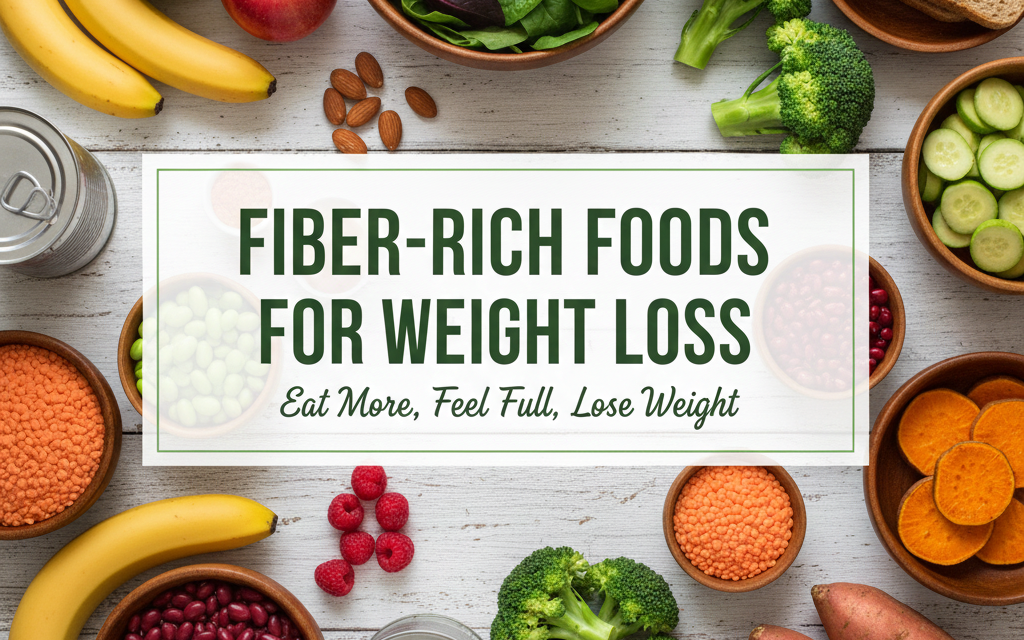
Discover fiber-rich foods that boost digestion, curb cravings, and support sustainable weight loss with workout-friendly meal tactics and recovery tips.
The struggle is real, when you’re trying to shed a few pounds and still crush your workouts. Fiber has a reputation for being the easiest way to boost digestion and control hunger, and this guide is here to help you reach your goals. Combining high fiber foods with practical fitness advice, covering arm exercises, leg routines, this combination will enable you to stay full, bounce back faster, and see consistent improvements in your results, all without draining your energy or driving yourself mad.
Bicep workouts: fuel and fiber for better pump

Having good digestion and steady energy levels is very important for short, targeted bicep workout sessions. Having a pre-workout snack that is digestion-friendly, and low in sugars, helps to avoid energy crashes and sugary gut distractions. Before a workout that is 60-90 minutes long, choose low fat and high fiber foods to avoid feeling bloated.
Some good options are; a half banana with a spoon of chia seeds, or a small bowl of oats with some berries.
Why it works: foods with soluble fiber, such as oats and chia seeds slow digestion by forming a gel. This helps to avoid energy crashes and makes sure that the body is getting the fuel that it needs.
Tip: Be sure to avoid very heavy meals with high fiber right before a workout. Portions of high fiber foods such as beans and cruciferous vegetables are better saved for after the workout.
Sample workout
Warm up: do some dynamic stretching of the arms for 5 to 8 minutes and do some pull-aparts with a band (this is a band used in some therapeutic type exercises).
Barbell bicep curls: 4 sets of 6 to 8 reps (using moderate to high weight).
Incline dumbell curls: 3 sets of 8 to 10 reps (maintain good form).
Hammer curls: 3 sets of 10 to 12 reps (use a slow, controlled tempo).
Cool down: stretch lightly and have a post workout snack that is high in fiber. Some options are: Greek yogurt with added berries and ground flax seed.
Chest exercises: meal timing and fiber for power
You can smash a strong chest day with a few tips. Inevitably, a starchy carb meal will come over you. Retrain your brain to understand that veggies will optimize your day, and with protein will complement your meal. Grab a big protein lift like a bench press and combine carbs with your fiber.
Pre-workout combo: apple, nut butter, and whole grain toast.
To balance both protein and fiber after your session: Wrap turkey with a whole wheat tortilla, and spinach and avocado to incorporate soluble and insoluble fiber.
Performance and digestion: keep sipping throughout your workout. Fiber holds water in the gut so you can stay hydrated.
Chest Workout Progression
To build strength, start your workout with compound lifts: bench press or dumbbell press. Do 4 sets with 4-6 reps.
For hypertrophy, do an incline press to target your upper chest. Do 3 sets with 8-12 reps.
For metabolic stimulation, do cable flyes. Do 3 sets with 12-15 reps.
For each small increment of 1-2 weeks, practice progressive overload. Increase weight and reps or reduce rest.
Progressive overload: why fiber helps you stick to it
There are two aspects of training that are required for progressive overloading: training consistency and recovery. Adherence to a training cycle and hunger control are often overlooked in training. Staying consistent with training cycles and hunger control can easily be achieved with high fiber foods that promote satiety.
The lack of hunger allows you to sustain energy without a dip and empowers you to complete challenging workouts.
Meals that are high in fiber are great for blood sugar and mood regulation, which allows for optimal training performance.
Tip: for meals of maximal satiety, pair high fiber foods with high protein foods (ex. chicken or tofu lentil salad).
Checklist for practical progressive overload.
- Plan for micro progressions: add 1-2 reps and 2-5% load every week.
- Log or record training sessions in a simple way, perhaps in an app.
- Enjoy fiber rich foods in the meals that you eat before or after the workouts that you have planned based on your energy and calorie balance.
- If energy or digestion feels off, training can be adjusted to a more manageable plan. High fiber foods can be great for training but timing is important.
Strength training: top fiber foods for recovery and muscle growth
Strength training breaks muscle down so it can rebuild bigger and stronger. Recovery needs not only protein and rest but also a happy gut. Fiber supports nutrient absorption and regularity, which can indirectly help recovery and readiness for the next session.
- Top soluble fiber sources: oats, beans, apples, pears, carrots, psyllium.
- Top insoluble fiber sources: whole wheat, brown rice, nuts, seeds, broccoli, cauliflower.
- Seeds to add: chia, flaxseed, and hemp — they provide fiber and healthy fats for inflammation control.
Combine these with sufficient protein and calories to support muscle protein synthesis and recovery. For personalized protein targets, try the tool below.
Check also: “Protein Intake Calculator”
Meal templates for strength gains
- Breakfast: steel-cut oats with whey or plant protein, berries, and ground flaxseed.
- Lunch: quinoa bowl with black beans, roasted sweet potato, spinach, and grilled chicken.
- Dinner: salmon, brown rice, steamed asparagus, and a side salad with chickpeas.
- Snack: Greek yogurt with mixed seeds or an apple with almond butter.
Home workouts: simple fiber-friendly meal plans
Sessions tend to be shorter and more intense, and a diet that can help you fuel that level of exercise is crucial, without weighing you down, when training at home.
Coming heading home from the gym isn’t always an option so a pear and a handful of almonds make a great quick pre-home workout snack.
Recovery is also key, a smoothie packed with spinach, banana, oats and a scoop of protein powder blended with ground chia is a winner for post-workout. Meal prep can be as simple as mason jar salads with kale, chickpeas, roasted squash and a tangy vinaigrette that provide a fantastic grab-and-go fibre and protein boost.
My home workout plan is equipment-free, all you need is yourself. After a three to five minute warm-up jog in place, arm and leg swings get you ready for a three round circuit that includes twelve push-ups, twenty bodyweight squats, fifteen glute bridges and ten burpees. Three sets of twenty second planks are your core finisher. Cool down with five to eight minutes of foam rolling and stretching.
Make sure you include high-fiber meals across the day to curb hunger and propel you through your home workout.
Gym workouts: optimizing performance with fiber
At the gym you might lift heavier and for longer. Choose fiber sources that support steady energy without causing gastrointestinal distress. Whole grains, legumes, and fruits are great choices when timed correctly.
- Aim to eat larger fiber-dense meals 2–3 hours before heavy lifting.
- Save very high-fiber foods like large servings of beans or cruciferous vegetables for non-training meals if you’re prone to bloating.
- Use soluble fiber earlier and insoluble fiber later in the day depending on how your body reacts.
Gym workout structure to match fiber-fueled energy
- Compound lift focus day (e.g., squat or deadlift): 4–6 sets of 3–6 reps for strength.
- Accessory work: 3–4 sets of 8–12 reps for hypertrophy (leg presses, rows, lunges).
- Conditioning: 10–15 minutes of moderate cardio or sled work for metabolic conditioning.
- Recovery meal: lean protein, whole grains, and vegetables to replenish glycogen and support gut health.
Leg day routine: fiber choices to handle heavy sessions
Leg days can leave you drained. The right fiber strategy prevents mid-session hunger and helps you feel lighter while maintaining energy. Carbohydrates with fiber before a heavy leg day help protect against cramping and fatigue.
- Pre-leg day meal (2–3 hours before): brown rice, grilled chicken, and steamed carrots.
- Small snack (60–90 minutes before): banana with a tablespoon of ground flaxseed.
- Post-leg day recovery: a bowl of lentil soup or cottage cheese with fruit and a slice of whole-grain bread.
Leg day workout example
- Warm-up: hip mobility, bodyweight squats, and light lunges.
- Squats or front squats: 5 sets of 5 reps (focus on depth and bracing).
- Romanian deadlifts: 4 sets of 6–8 reps (hamstring emphasis).
- Walking lunges: 3 sets of 12 steps per leg.
- Calf raises: 4 sets of 15–20 reps.
- Cool-down and nutrition: rehydrate and choose a fiber-protein combo to stabilize recovery.
Recovery tools: gut health, sleep, and anti-inflammatory choices
Recovery is multi-factorial. Fiber contributes to gut microbiome diversity, which can support immune function and inflammation control — indirectly helping you recover and perform better. Combine fiber with sleep, hydration, and targeted recovery tools.
- Recovery staples: sleep 7–9 hours, foam rolling, active recovery sessions.
- Anti-inflammatory, fiber-rich foods: berries, leafy greens, nuts, and flaxseed.
- Gut-supporting foods: fermented foods (yogurt, kefir) combined with fiber act as prebiotics and probiotics for digestion.
For more on recovery planning and how rest ties into training load, consult recovery metrics and rest-day calorie planning tools to balance energy intake with activity.
Check also: “Recovery Time Estimator”
muscle growth: pairing fiber with protein for gains
Muscle growth requires a positive protein balance and consistent mechanical tension from training. Fiber doesn’t build muscle directly, but it helps you adhere to dietary goals, manage appetite, and maintain metabolic health — all of which make muscle growth more achievable.
- Combine fiber and protein to improve meal quality and satiety (e.g., chickpea salad with grilled salmon).
- Space fiber-protein meals every 3–4 hours to keep amino acids available for muscle protein synthesis.
- Use whole-food sources first, and supplement sensibly when needed.
Daily macro-style plan for muscle-friendly fiber intake
- Breakfast: 20–30 g protein + 8–12 g fiber (oats + protein + berries + seeds).
- Lunch: 30–40 g protein + 7–10 g fiber (lean meat/fish, whole grains, mixed vegetables).
- Snack: 10–15 g protein + 5–8 g fiber (Greek yogurt + ground flaxseed + fruit).
- Dinner: 30–40 g protein + 8–12 g fiber (legume-based side, roasted veggies, complex carb).
Use the fiber intake tool to track and adjust. Many people start under the recommended levels and ramp up slowly to avoid GI upset.
Check also: “Fiber Intake Calculator”
Best fiber-rich foods (and how to use them)
Here’s a practical list of high-fiber foods and simple ways to add them into real meals that match your workouts and recovery needs.
- Oats: Great for breakfast and pre-workout energy. Try overnight oats with protein powder and berries.
- Legumes (lentils, chickpeas, black beans): Post-workout bowls and salads. High in protein and fiber — excellent for muscle growth and fullness.
- Berries (raspberries, blackberries): Low-calorie, high-fiber snacks that add antioxidants for recovery.
- Whole grains (quinoa, brown rice, barley): Use as base for meals that need sustained energy for gym sessions.
- Vegetables (broccoli, Brussels sprouts, spinach): Include with major meals; roast or steam to improve digestibility.
- Seeds (chia, flax, hemp): Sprinkle on yogurt or smoothies — tiny but powerful fiber boosters.
- Nuts: Almonds and pistachios are convenient, fiber-rich snacks that pair well with workouts.
- Apples & pears: Portable, fiber-dense snacks that work well pre- or post-workout depending on timing.
- Psyllium husk: A concentrated fiber source to add gradually if you need extra soluble fiber for digestion.
Simple meal ideas for training days
- Pre-heavy-lift day: bowl of steel-cut oats, banana, and a spoonful of peanut butter.
- Post-workout: quinoa salad with black beans, sweet potato, greens, and grilled chicken.
- Evening: baked salmon, brown rice, and a side of roasted Brussels sprouts with lemon.
- Snack: celery sticks with hummus or an apple with almond butter.
Common mistakes and how to avoid them
Introducing more fiber is smart, but there are pitfalls that can derail training and digestion. Here are mistakes people make and simple fixes.
- Jumping in too fast: Rapidly increasing fiber causes bloating and discomfort. Ramp up intake over 1–3 weeks.
- Poor timing: Big high-fiber meals right before intense workouts can cause sluggishness. Space meals wisely.
- Not drinking enough: Fiber needs water to move through the digestive tract. Aim for consistent hydration.
- Too much raw cruciferous veggies around training: Cook or steam them when eating close to workouts to reduce gas.
Action plan to implement fiber without setbacks
- Week 1: Add one extra serving of fruit or a tablespoon of seeds per day.
- Week 2: Swap refined grains for one whole-grain option each day.
- Week 3: Introduce a legume-based meal 2–3 times per week and monitor digestion.
- Ongoing: Track fiber and symptoms, adjust timing around workouts, and keep hydration up.
Tracking tools and measures
Tracking makes habits stick. Use tools to monitor fiber, protein, calories, and recovery so you can tailor the balance that works for your training style.
- Track fiber intake and match it to training intensity.
- Use a protein calculator to ensure muscle support during weight loss phases.
- Monitor recovery with sleep and recovery time estimators to avoid overreaching.
Check also: “Healthy Grocery List”
Check also: “Recovery Time Estimator”
Authoritative references and further reading
For deeper dives into fiber and weight management, these resources are evidence-based and practical:
- Healthline — How to Increase Fiber — practical tips and food lists.
- Mayo Clinic — Fiber and Weight — summary of fiber benefits for digestion and weight control.
- NCBI — Dietary Fiber and Health Outcomes — scientific review on fiber and metabolic health.
Putting it all together: Weekly sample plan
Here’s a week-long example that pairs training days (biceps, chest, leg day, full-body), with fiber-smart meals to support performance and recovery.
- Monday — Biceps + upper body accessory: Pre: oats + chia. Post: turkey + quinoa + greens.
- Tuesday — Leg day: Pre: brown rice + chicken + carrots. Post: lentil soup + whole-grain bread.
- Wednesday — Active recovery/yoga: Lighter meals: smoothie with spinach, banana, protein, and ground flax.
- Thursday — Chest + triceps: Pre: whole-grain toast + apple + nut butter. Post: salmon + sweet potato + broccoli.
- Friday — Full-body circuit: Pre: pear + handful of almonds. Post: chickpea salad with feta and greens.
- Saturday — Heavy compound focus: Carb-focused lunch with brown rice and beans; veggie sides cooked to prevent gas.
- Sunday — Rest and meal prep: Prepare fiber-rich breakfasts and portion snacks for the coming week.
Tips for sustainable habit change
Small, consistent changes win long-term. Make fiber a teammate, not a temporary fix. Celebrate daily wins like improved regularity, steadier energy, and fewer cravings — all of which help you train harder and recover better.
- Start small: add one fiber swap per week.
- Pair new foods with familiar favorites to make changes easier.
- Keep a simple log of meals and training to see cause and effect.
Conclusion
Fiber is a practical ally for digestion, weight loss, and consistent training. By choosing the right fiber sources and timing them around workouts, you’ll feel fuller, energy-stable, and better recovered. Use the meal templates, workout pairings, and tracking tools above to build sustainable habits that support strength, muscle growth, and long-term performance.