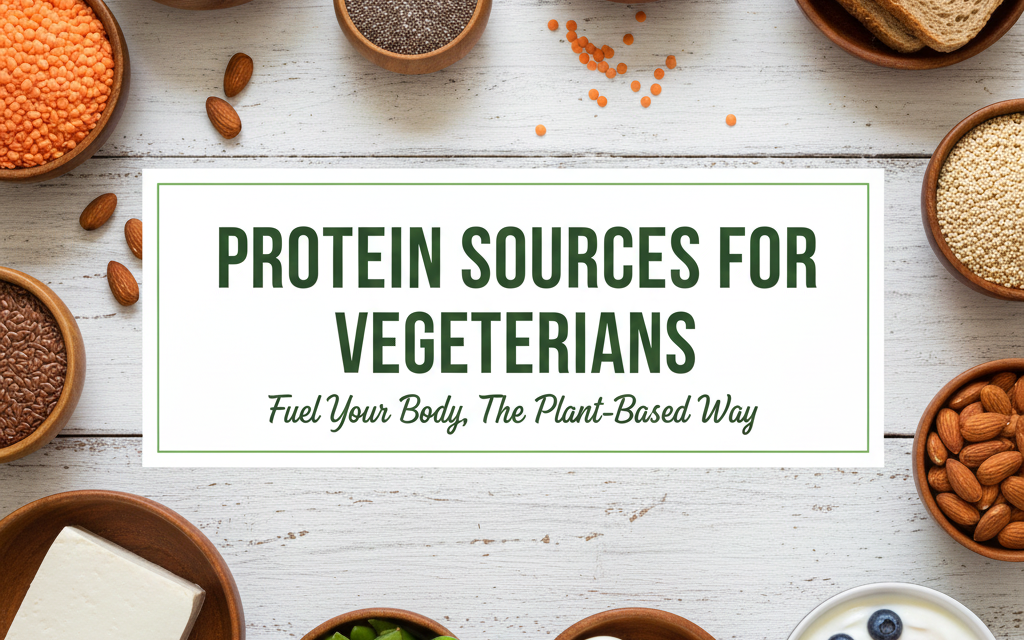
Discover the best protein sources for vegetarians to fuel muscle growth, recovery, and performance with practical meal plans and training tips.
Feeling stuck trying to build muscle or recover well on a vegetarian diet? You’re not alone. Many athletes and fitness-focused vegetarians worry that plant-based eating limits their gains. The good news: with the right protein choices, meal timing, and training strategy, you can get stronger, recover faster, and hit new personal bests. This guide breaks down the top vegetarian protein sources, how to combine them, and real workout-focused strategies to turn fuel into muscle.
Why Protein Matters for Vegetarians
Protein is the building block for muscle repair, hormone production, and overall performance. For anyone lifting weights or doing progressive overload work, hitting daily protein targets supports adaptation and reduces soreness.
Vegetarians can absolutely meet their protein needs, but it takes planning to include high-quality sources across meals. Whether you’re doing focused bicep workouts or full leg day routines, consistent protein intake supports muscle growth and recovery. Next lets find out the Top Plant-Based Protein Sources for Vegetarians.
Check also: “Protein Intake Calculator”
Top Plant-Based Protein Sources for Vegetarians
Below are reliable, high-protein foods you can use as mainstays in your weekly plan. I’ve listed typical protein per serving to make planning clear.
- Legumes — lentils (18g per cooked cup), chickpeas (15g per cooked cup), black beans (15g per cooked cup). Versatile for stews, salads, and burgers.
- Soy Foods — tofu (10–20g per 100g depending on firmness), tempeh (19g per 100g), edamame (17g per cooked cup). Complete proteins and excellent for texture variation.
- Dairy & Eggs (lacto-ovo vegetarians) — Greek yogurt (17–20g per 7 oz cup), cottage cheese (14g per 1/2 cup), eggs (6–7g each). Fast and effective muscle-repair options.
- Grains & Pseudograins — quinoa (8g per cooked cup), farro, buckwheat. Great when paired with legumes for a complete amino acid profile.
- Seeds & Nuts — chia (4g per 2 tbsp), hemp seeds (10g per 3 tbsp), almonds (6g per ounce). High in fats and protein; use as toppings or blended in shakes.
- Seitan — wheat-based protein, ~25g per 100g. Very protein-dense; great for meat-like dishes (note: not gluten-free).
- Protein Powders — pea, soy, rice, and blended vegan powders range 20–30g per scoop. Convenient for post-workout or high-protein smoothies.
For a deep dive into how plant proteins compare to animal proteins and tips for diversifying sources, reference this overview at Healthline.
Complete vs Incomplete Proteins — What to Know
Complete proteins contain all nine essential amino acids in sufficient amounts. Soy, quinoa, and dairy are complete. Many legumes, grains, and nuts are incomplete on their own, but combining them across meals creates a complete amino acid profile.
Practical strategy: rotate sources across the day. You don’t have to pair rice with beans at every meal — hitting complementary foods across breakfast, lunch, and dinner works fine.
Protein Sources for Vegetarians: Designing Meals for Muscle Growth
Muscle growth is the product of stimulus (training), nutrition (adequate protein & calories), and recovery. Here’s how to structure meals around your workouts to maximize adaptation.
- Aim for 20–40 grams of protein per meal for most adults doing strength training.
- Include a source of fast-absorbing protein after resistance sessions — a soy or pea protein shake, Greek yogurt, or a tofu scramble.
- Distribute protein across 3–5 meals to sustain muscle protein synthesis throughout the day.
Want specific timing guidance? Try the site’s tool for absorption and timing to fit into your training schedule: Protein Timing & Absorption.
Meal Ideas That Prioritize Protein
- Breakfast: Greek yogurt bowl with hemp seeds, berries, and oats — ~25–30g protein.
- Lunch: Quinoa salad with chickpeas, spinach, feta, and pumpkin seeds — ~20–30g protein.
- Snack: Protein smoothie (pea protein, banana, almond butter, spinach) — 20–30g protein.
- Dinner: Stir-fried tempeh with mixed vegetables and brown rice — 25–35g protein.
- Pre-sleep: Cottage cheese or a casein-based protein smoothie for slow overnight amino acid release (if dairy-tolerant) — 10–20g.
Pairing Protein with Training: Bicep Workouts & Chest Exercises
Targeted workouts like heavy bicep sessions or chest-focused training create local muscle damage that needs protein and rest to repair. Here’s how to fuel those sessions specifically.
Bicep Workouts — Nutrition & Exercises
Short, intense bicep sessions need a steady protein supply across the day rather than a mega-dose right before. Focus on progressive overload across two to three weekly bicep-focused micro-sessions.
- Recommended exercises:
- Barbell curls — 3–4 sets of 6–10 reps
- Alternating dumbbell curls — 3 sets of 8–12 reps
- Hammer curls — 3 sets of 8–12 reps
- Incline dumbbell curl for long head focus — 3 sets of 10–12 reps
- Protein tip: consume 20–25g of protein within 1–2 hours of a heavy bicep session to support local recovery.
Chest Exercises — Volume, Intensity, and Fuel
Chest training typically uses large compound presses that demand fuel and glycogen. Prioritize a carbohydrate + protein meal 1.5–3 hours before intense chest days and a recovery meal afterward.
- Recommended exercises:
- Barbell bench press — 4 sets of 4–8 reps
- Incline dumbbell press — 3–4 sets of 8–12 reps
- Dips or push-ups for volume — 3 sets to near-failure
- Chest flyes for hypertrophy — 3 sets of 10–15 reps
- Post-workout: choose 25–35g protein plus carbs to replenish glycogen (e.g., tofu stir-fry with rice or a soy-protein shake and banana).
Progressive Overload & Strength Training for Vegetarians
Progressive overload is the backbone of strength and muscle gains. It simply means increasing the demand on muscles over time by adding weight, reps, sets, or improving movement quality.
Nutrition supports progressive overload by supplying amino acids to repair muscle and enough calories to fuel performance. Here’s a simple, practical progression plan.
- Choose 2–3 compound lifts per session (squat, deadlift, bench, rows) for strength basis.
- Start with a baseline you can perform with good form for 8–12 reps for hypertrophy or 4–6 reps for strength.
- Each week, try to increase one variable: +2.5–5% load, +1–2 reps per set, or +1 set for key exercises.
- Every 6–8 weeks, deload with lighter volume to allow supercompensation and reduce injury risk.
As you increase load, keep protein intake consistent. Use the protein intake calculator linked above to set your target based on bodyweight and training intensity.
Home Workouts vs Gym Workouts — Protein and Program Differences
Both environments can support muscle growth. Your protein needs won’t change drastically, but exercise selection and progression tactics will.
- Home workouts: favor higher reps, tempo control, and unilateral work when heavy loads aren’t available. Use bands, adjustable dumbbells, and bodyweight progressions.
- Gym workouts: take advantage of heavier compound lifts and machines for overload and microloading steps.
- Protein strategy: keep daily protein consistent; you may increase frequency of meals or add a protein shake if training intensity or frequency rises.
Example home progression for chest: elevated push-ups → decline push-ups → weighted vest push-ups or barbell bench presses if access to gym increases.
Leg Day Routine — Fueling Big Compound Workouts
Leg training is energy-intensive and requires sufficient carbohydrate plus protein to maximize performance and recovery. Aim for a higher carbohydrate intake on leg days, along with increased protein immediately after.
- Sample leg day structure:
- Warm-up: 5–8 minutes dynamic mobility
- Primary lift: Barbell back squat or trap-bar deadlift — 4–6 sets of 4–8 reps
- Accessory lifts: Romanian deadlifts, lunges, leg press — 3–4 sets of 8–12 reps
- Finisher: Bulgarian split squats or walking lunges for time — 2–3 sets
- Nutrition: pre-workout meal 1.5–3 hours prior with carbs and 20–30g protein; post-workout protein 25–40g plus carbs for glycogen repletion.
Recovery Tools to Support Protein and Performance
Recovery isn’t just sleep; it’s a system of sleep, nutrition, mobility, and smart programming. High-quality protein intake makes recovery more efficient, but you also need to manage load and rest.
- Prioritize 7–9 hours of quality sleep — it’s when most muscle repair occurs.
- Use active recovery sessions: light cardio, mobility work, and foam rolling on off-days.
- Track recovery and plan deloads. Tools like recovery-time estimators and sleep calculators help you schedule intensity safely.
Check recovery-focused tools for personalized planning: Recovery Time Estimator and Sleep & Recovery Calculator.
For evidence-based insights on exercise recovery and nutrition, review research summaries at NCBI and practical guidance at Mayo Clinic.
Maximizing Muscle Growth on a Vegetarian Diet
Muscle growth requires consistent training, progressive overload, and a reliable protein strategy. For vegetarian athletes, here are tactical steps to accelerate gains without extreme measures.
- Set a daily protein target (e.g., 1.6–2.2 g/kg bodyweight) based on training goals. Use the protein calculator linked above to individualize this number.
- Distribute protein evenly — target 20–40g per meal and a strong post-workout option.
- Include high-leucine sources where possible (dairy or soy are richer in leucine). If vegan, combine pea protein with rice protein for a balanced amino acid profile.
- Progress lifts weekly and keep a training log to track overload. Consider one major lift per session for strength focus and 2–3 accessory hypertrophy movements.
- Schedule regular deloads and prioritize sleep, hydration, and mobility to reduce injury risk and support long-term gains.
Practical Weekly Plan Example (Hybrid Gym/Home)
- Day 1 — Upper push (bench, incline press, flyes) + 25–30g protein within 90 minutes post-workout
- Day 2 — Lower heavy (squats or deadlifts), hamstring focus + higher carbs pre/post
- Day 3 — Active recovery or mobility + protein-rich meals spread through day
- Day 4 — Upper pull and biceps (rows, pull-ups, curls) + protein shake post-session
- Day 5 — Legs hypertrophy (leg press, lunges, calf work) + solid dinner with tofu/tempeh
- Day 6 — Full-body circuit or cardio + maintain protein targets
- Day 7 — Rest or light mobility; protein intake to support overnight recovery
Common Mistakes Vegetarians Make (and How to Fix Them)
Here are frequent missteps and simple fixes so your training progress isn’t limited by diet.
- Underestimating protein needs — fix: calculate needs with a tool and aim for even meal distribution.
- Relying on a single protein source — fix: diversify soy, legumes, dairy (if applicable), seeds, and powders.
- Skipping post-workout nutrition — fix: carry a protein shake or quick Greek yogurt to the gym.
- Ignoring calories — fix: if strength stalls, add 200–300 kcal/day while keeping protein high.
- Poor sleep and recovery planning — fix: prioritize consistent sleep timing and schedule deload weeks.
Action Plan: 30-Day Protein & Strength Kickstart
Follow this practical plan to build momentum over one month. Keep it simple and measurable.
- Week 1: Calculate protein target and consciously hit 20–30g at each meal. Track intake with a food diary or app.
- Week 2: Start a three-day lifting split with progressive overload cues (add 2–5% weight or +1 rep each workout).
- Week 3: Introduce a protein-rich shake post-workout and add one extra protein-focused snack daily (e.g., edamame, Greek yogurt).
- Week 4: Evaluate progress and increase daily calories by 200 kcal if lifts stalled. Schedule a light deload at the end of the week.
Small, consistent changes beat radical overhauls. Keep a short training journal — note weight, reps, protein intake, and energy. That feedback loop is your best tool.
Protein Supplements — When and Which Ones to Use
Supplements are useful for convenience and ensuring targets are met, not as a replacement for whole foods. Consider these options:
- Pea protein — hypoallergenic, high protein per scoop, good amino acid profile.
- Soy protein — complete plant protein with strong anabolic properties.
- Blended vegan powders — combine rice, pea, hemp for a balanced profile.
- Whey or casein (if vegetarian and dairy-tolerant) — high bioavailability and great for post-workout or before sleep.
Tip: mix powders with frozen fruit, spinach, and a spoon of nut butter for a nutrient-dense recovery shake.
Cooking & Meal Prep Tips for Consistent Protein
Planning meals and prepping protein sources saves time and keeps you on track with training demands.
- Batch-cook lentils, chickpeas, and beans to add to bowls and salads all week.
- Press and marinate tofu or tempeh in bulk for quick stir-fries and baked dishes.
- Roast a big tray of mixed seeds and nuts to sprinkle on breakfasts and snack on between sessions.
- Pre-portion protein powders into scoop-sized bags for gym-ready shakes.
Measuring Progress — Strength, Size, and Recovery
Use objective metrics to measure improvement rather than subjective feelings alone. Track lifting numbers, body composition if relevant, and recovery markers like sleep and soreness.
- Strength metric: add 2–5% load per month on compound lifts where possible.
- Hypertrophy metric: monitor visible changes and tape measurements, or note clothing fit.
- Recovery metric: track soreness, training readiness, and sleep quality.
Tools like a one-rep max calculator can help plan progression safely. Consider One-Rep Max Calculator for load prescription if you want to quantify target intensities.
Final Tips from a Coach
Be consistent more than perfect. Protein is crucial, but so is progressive, smart training and structured recovery. If you’re new to vegetarian strength training, start simple and prioritize technique. Build habits — prep meals, schedule lifting sessions like meetings, and track progress weekly.
Remember: small wins compound. Add 5–10 grams of protein to each meal this week and increase one lift by 1–2 reps. Those micro-progressions add up to real change.
Conclusion
Vegetarians can excel in strength and muscle building with a thoughtful approach to protein and training. Focus on diverse, protein-dense foods like legumes, soy, dairy (if applicable), seeds, and thoughtfully chosen supplements. Pair consistent protein intake with progressive overload, smart recovery tools, and strategic meal timing to get stronger and recover faster.
Start now: calculate your protein needs, plan one protein-focused meal per day, and add one small overload to your training each week. You’ll be surprised how quickly you adapt.