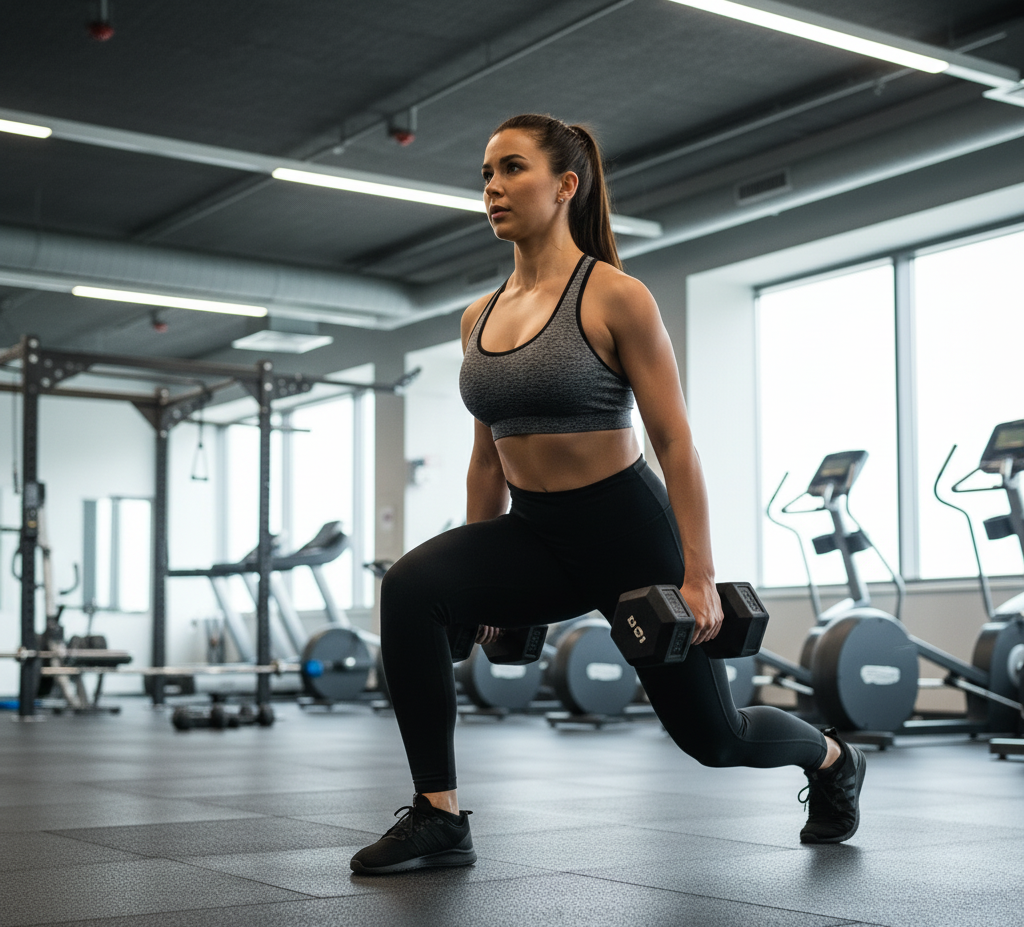
Maximize leg day recovery with foam rollers, massage guns, compression and practical recovery tips for stronger, faster gains.
Table of Contents
Top Leg Day Recovery Tools
Leg day can leave you feeling powerful — and sore. Whether you’re pursuing strength training, muscle growth, or better workout routines, smart recovery turns hard sessions into progress. This guide breaks down the best tools and techniques to speed recovery, reduce stiffness, and keep you hitting progressive overload week after week. Think foam rollers, massage guns, compression gear, and simple mobility moves you can do at home or in the gym.
Why Recovery Matters After Leg Day (leg day routine, recovery tips)
Recovery is where gains actually happen: your muscles rebuild and adapt after challenging sets of squats, lunges, and deadlifts. Prioritizing recovery helps maintain consistent training, reduces risk of overuse fatigue, and supports long-term muscle growth.
Follow practical steps and use the right gym tools to maintain intensity in future workouts without overtraining.
Leg Day Routine & Progressive Overload
Progressive overload is essential for strength and muscle growth, but it must be balanced with recovery. Track volume, load, and frequency so you can push progressively while giving quads, hamstrings, and glutes time to recover.
Integrate these recovery tools into your weekly leg day routine to make progressive overload sustainable.
Top Tools for Faster Recovery
Foam Rollers — Myofascial release for quads and hamstrings
Foam rolling is an accessible, low-cost way to reduce tightness and improve tissue mobility. Use a medium-density roller after workouts for 1–2 minutes per muscle group.
- How to: Slowly roll the quads, hamstrings, IT band, and calves. Pause on tender spots for 20–30 seconds.
- Tip: Keep breathing and avoid rolling over sore joints; focus on muscles and fascia.
Massage Guns — Targeted percussion therapy
Massage guns offer pinpoint recovery for knots and deep tissue tightness. They can be especially helpful on glutes and hamstrings after heavy deadlifts.
- How to use: Start on a low setting and move across the muscle in 15–30 second intervals.
- Tip: Don’t press too hard; let the device do the work. Avoid prolonged use on a single spot.
Compression Gear & Sleeves
Compression sleeves for calves and compression tights for legs help support circulation and reduce swelling. Use them during long recovery periods or after intense sessions when you’re on your feet a lot.
- When to wear: Post-workout, during travel, or on light recovery days.
- Benefit: They can help you feel fresher for your next training session without replacing active recovery.
Cold Therapy & Contrast Baths
Ice or contrast (cold/heat) baths can reduce acute soreness and inflammation after very intense workouts. Short, controlled cold exposure—followed by gentle movement—can aid perceived recovery.
- Simple approach: 3–5 minutes cold, followed by warm shower, or just a 10–15 minute cold soak when needed.
- Note: Use these methods as a tool for comfort and short-term relief.
Stretching Bands & Mobility Tools
Resistance bands and mobility tools help restore range of motion and improve warm-up quality before your next session. Focus on dynamic stretches and targeted mobility drills for hips and ankles.
- Key drills: Banded hip distractions, ankle mobilizations, and controlled leg swings.
- Frequency: 5–10 minutes pre-workout and 5–10 minutes of mobility daily on off-days.
Recovery Routine: A Practical Post-Leg-Day Plan
Here’s a simple plan you can follow after a heavy leg day to maximize recovery and keep progressing:
- Cool-down walk: 5–10 minutes to lower heart rate and flush metabolites.
- Foam roll: 5–10 minutes focusing on quads, glutes, and calves.
- Massage gun: 2–3 minutes on tight spots (low intensity).
- Stretch & mobilize: 8–10 minutes of targeted mobility work.
- Compression or elevation: Wear compression or elevate legs for 10–20 minutes if swollen or very tired.
- Hydration & protein-rich snack: Support muscle repair and rehydration.
Quick Notes for Other Muscle Groups (bicep workouts, chest exercises)
Recovery tools work across the body. For upper-body sessions like bicep workouts or chest exercises, focus foam rolling and percussion on pecs, lats, and delts, and use mobility drills specific to shoulder health.
Practical Tips for Safe, Effective Use
- Start light: Begin with gentle pressure on foam rollers and low speed on massage guns.
- Listen to your body: Discomfort is normal, pain is not. Back off if something feels sharp.
- Consistency wins: Short, frequent recovery sessions beat occasional long ones.
- Combine methods: Mix foam rolling, mobility work, and compression for best results.
- Track recovery: Use a simple log for soreness, sleep, and energy to guide training frequency.
Read also: “Calorie & Macro Calculator”
Read also: “Fitness Tools & Guides”
Conclusion
Recovery is an active, intentional part of every successful leg day routine. Use foam rollers, massage guns, compression, and mobility drills to reduce soreness and stay consistent with progressive overload. Start small, be consistent, and let these tools support stronger, smarter training. Get back under the bar sooner and come back better each session.