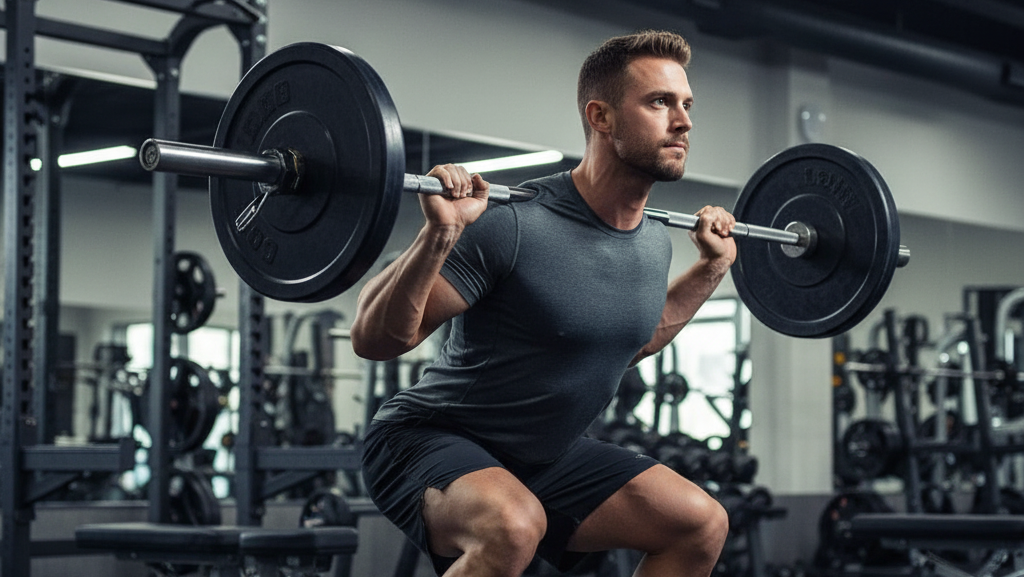
Learn leg muscle anatomy, what to train, and practical leg day routines with form, recovery tips, and tool-based solutions to build strength and muscle.
Table of Contents
Leg Muscle Anatomy Explained: What to Train and Why
Leg training is about more than looking good in shorts—it’s the foundation of athleticism, balance, and day-to-day strength. Understanding leg muscle anatomy helps you prioritize exercises, improve form, and get the best returns from your workouts. Whether you’re a beginner or refining your leg day routine, this guide breaks down what to train, how to progress, and the recovery and gym tools that make gains safer and more efficient.
Major Leg Muscles and Their Roles
Start with the basics: the legs are a complex combination of muscles that work together to move you through every squat, sprint, and step. Knowing each muscle’s job informs exercise selection and technique.
- Quadriceps (front of thigh): Primary knee extenders used in squats, lunges, and leg presses.
- Hamstrings (back of thigh): Key for hip extension and knee flexion—important in deadlifts, Romanian deadlifts, and hamstring curls.
- Glutes (buttocks): Powerful hip extensors that drive movement and stabilize the pelvis—trained with hip thrusts, squats, and lunges.
- Adductors (inner thigh): Help control leg stability and medial movement during lateral work.
- Calves (gastrocnemius and soleus): Support ankle movement for walking, jumping, and fast changes of direction.
Designing a Balanced Leg Day Routine
Balance means hitting hips, quads, hamstrings, and calves across compound and isolation moves. Aim to mix heavy strength work with accessory exercises that build muscle and improve movement quality.
Sample Leg Workout (Strength + Hypertrophy)
- Back Squat — 4 sets x 4–6 reps (strength)
- Romanian Deadlift — 3 sets x 6–8 reps (posterior chain)
- Bulgarian Split Squat — 3 sets x 8–10 reps each leg (unilateral stability)
- Leg Press — 3 sets x 10–12 reps (quads hypertrophy)
- Hamstring Curl — 3 sets x 12–15 reps (isolation)
- Standing Calf Raise — 4 sets x 12–15 reps (calves)
Keep rest 60–120 seconds between sets for hypertrophy and 2–3 minutes for heavy strength sets. Adjust reps and loads gradually to follow progressive overload.
Progressive Overload: How to Keep Growing
Progressive overload is the engine of muscle growth. That means gradually increasing weight, reps, or training density so your muscles adapt. Track one or two metrics each week—load, total reps, or time under tension.
- Increase weight by 2.5–5% when you can complete top-end reps with good form.
- Add a set or extra reps to a stubborn exercise instead of jumping weight too fast.
- Use tempo work (slow eccentrics) to increase time under tension without heavy load.
Consistency and small, steady progression outperforms wild jumps in weight that compromise form.
Form Cues and Common Mistakes
Good form protects joints and targets the intended muscle. Focus on these coaching cues:
- Squat: Sit back, keep chest up, knees tracking over toes, and drive through the mid-foot.
- Deadlift: Hinge at the hips, keep a neutral spine, and pull with the legs and glutes—not the lower back.
- Lunge/Split Squat: Maintain upright torso, long stride for glute emphasis, and knee alignment.
- Calf Raise: Use full range—stretch at the bottom, full contraction at the top, and avoid bouncing.
Common errors include letting knees collapse, rounding the lower back, and sacrificing range of motion for heavier weights. Prioritize control over ego lifts.
Recovery Tips for Bigger, Stronger Legs
Training is only half the equation. Recovery lets muscles repair and grow. This includes nutrition, sleep, and active recovery strategies.
- Nutrition: Eat enough protein and overall calories to support repair and muscle growth. Use tools to calculate needs precisely.
- Sleep: Aim for consistent, quality sleep to optimize hormone balance and recovery.
- Active recovery: Light mobility work, walking, or yoga can reduce soreness and improve circulation.
- Self-care tools: Foam rollers, massage guns, and mobility bands can speed recovery and maintain tissue health.
Read also: “Calorie & Macro Calculator”
Tool-Based Solutions to Improve Strength and Form
Leverage gym tools and simple gear to train more effectively and safely. These tools help overload, correct weaknesses, and enhance mobility.
- Barbell — Foundation for squats and deadlifts to build maximal strength.
- Dumbbells/Kettlebells — Great for unilateral work and stability training.
- Resistance Bands — Useful for glute activation and variable resistance during squats or hip thrusts.
- Leg Press Machine — Safe way to push volume with heavier loads without spinal stress.
- Foam Roller & Massage Gun — Speed warm-up and recovery, reduce muscle tightness.
Combining free weights with targeted tools creates a well-rounded routine that builds strength, muscle, and mobility.
Programming Tips: Frequency, Volume, and Progress
How often you train legs depends on goals and recovery. Here are practical templates:
- Beginner: 2 leg sessions/week with one heavy compound day and one higher-rep accessory day.
- Intermediate: 2–3 sessions/week splitting strength and hypertrophy focus (e.g., heavy squat day, posterior chain day, accessory day).
- Advanced: 3+ sessions/week with varied intensities and planned deloads to manage fatigue.
Watch for signs of accumulated fatigue (persistent soreness, performance drop) and schedule a deload week every 4–8 weeks as needed. A smart plan prioritizes quality reps over quantity.
Conclusion
Train smart: target quads, hamstrings, glutes, and calves with a blend of compound lifts and accessory work, follow progressive overload, and support recovery with nutrition, sleep, and the right tools. Use small, consistent steps and thoughtful programming to build stronger, more resilient legs. Now pick a plan, commit to form, and get after your next leg day.