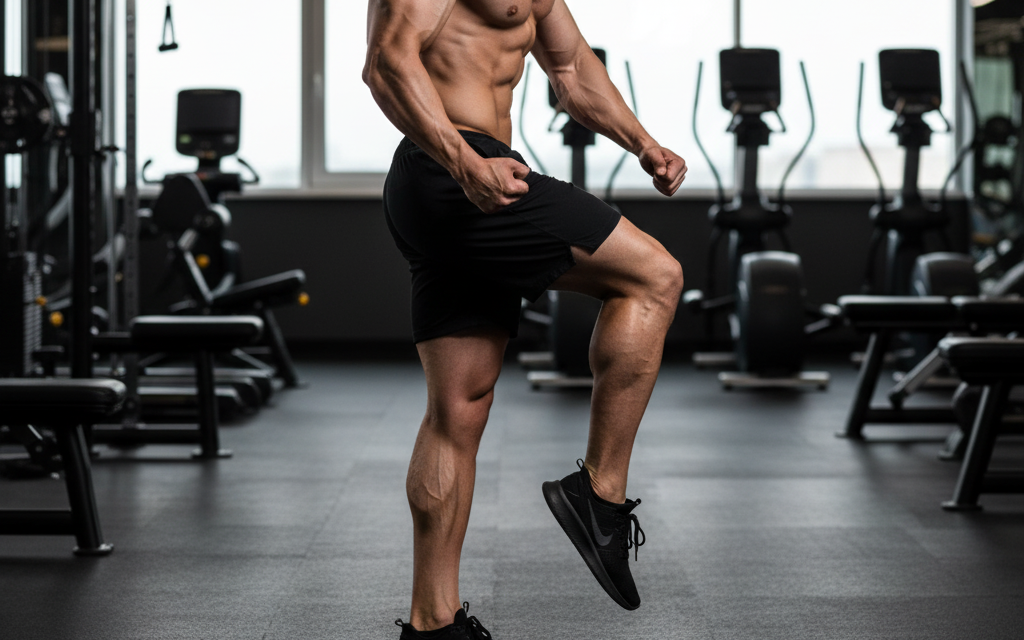
Discover why your calves lag and how to fix it with progressive overload, better form, recovery tips, and gym tools for real calf growth.
Table of Contents
Why Your Calves Won’t Grow — Fix It Now
Frustrated that your calves aren’t keeping up with the rest of your gains? You’re not alone. Calves can be stubborn because they’re used to daily activity, have unique muscle fibers, and need the right mix of volume, intensity, and variety to respond. This guide breaks down the real reasons calves lag and gives practical, tool-friendly solutions you can start using in your next workout routine. No gimmicks—just smart strength training, recovery tips, and exercise selection that actually work.
Common Reasons Calves Don’t Grow
Understanding why calves stall helps you fix the problem faster. Here are the usual suspects:
- Insufficient progressive overload: Calves need gradual increases in load or reps to adapt.
- Poor exercise variety: Only doing one type of calf raise limits growth.
- Form and range-of-motion issues: Half-reps and bad ankle mechanics reduce stimulus.
- Recovery and volume mismatch: Either too little work or too much without recovery halts progress.
- Neglecting tempo and mind-muscle connection: Fast, sloppy reps fail to create tension.
Why muscle fiber type matters
Calves have a high proportion of slow-twitch fibers, which respond well to higher reps and more frequent training. That doesn’t mean you can skip heavy sets—mixing rep ranges is the key to consistent muscle growth and strength gains.
Progressive Overload for Calf Growth
Progressive overload is the backbone of muscle growth. If your calves aren’t growing, it’s likely you haven’t increased stress over time. Here’s how to structure progressive overload for calves:
- Track weight and reps each session to ensure steady increases.
- Use small jumps in load—microloading is great for calves.
- Alternate phases: 4–6 weeks of heavy, low-rep work and 4–6 weeks of higher volume (12–20 reps).
- Increase time under tension by slowing the eccentric (lowering) phase.
Calf Workout Routine: Practical Exercises
Variety and specificity will change everything. Combine standing and seated movements to target the gastrocnemius and soleus effectively.
- Standing Barbell Calf Raises — heavy sets, 6–12 reps. Focus on full range and controlled tempo.
- Seated Calf Raises — targets the soleus. Do 12–20 reps with a pause at the top.
- Single-Leg Dumbbell Calf Raises — corrects imbalances and improves ankle stability; 8–15 reps each leg.
- Smith Machine Calf Raises — useful for strict form and progressive overload without a spotter.
- Calf Press on Leg Press Machine — allows heavy loading with less spinal demand.
Sample calf-focused session
- Warm-up: Bodyweight calf raises, 2 sets of 15–20.
- Standing Barbell Calf Raises: 4 sets of 6–10 (heavy).
- Seated Calf Raises: 3 sets of 12–20 (higher reps).
- Single-Leg Dumbbell Calf Raises: 3 sets of 10–12 each leg.
- Finisher: Slow-tempo calf raises off a step, 2 sets to near failure.
Form and Mind-Muscle Connection
Technique matters more than ego. Poor form reduces the working range and shifts load away from the calves. Key cues to follow:
- Push through the balls of your feet, not the toes.
- Use full dorsiflexion at the bottom—lower until you feel a safe stretch.
- Pause briefly at the top for a contraction, then control the descent.
- Visualize the muscle working—slower, deliberate reps beat fast, sloppy ones.
Recovery Tips and Frequency
Calves can handle slightly higher frequency, but they still need rest. Aim to train calves 2–3 times per week with at least 48 hours between intense sessions.
- Prioritize sleep and nutrition to support recovery and strength training adaptations.
- Use active recovery (walking, light cycling) to encourage blood flow without overtaxing the muscle.
- Include mobility work for ankles to maintain range-of-motion and prevent compensatory movement.
Use These Gym Tools to Boost Calf Growth
Picking the right tools removes barriers and helps you load progressively. Consider these gym tools and why they work:
- Calf raise machine: Built for isolated overload and stable positioning.
- Smith machine: Safer for heavy standing calf raises if you train solo.
- Dumbbells and kettlebells: Great for single-leg work and correcting asymmetries.
- Leg press machine: Allows heavy loading with a stable back position for seated/supported calf presses.
- Resistance bands: Useful for adding tension at end ranges and for warm-ups.
Tool-based programming tip
Use machines for heavy loading days and free weights for balance and stability days. This mix gives you both raw overload and functional strength.
Read also: “Calorie & Macro Calculator”
Common Mistakes to Avoid
Avoid these pitfalls that keep calves stuck:
- Only doing calf raises once a week.
- Using momentum instead of controlled reps.
- Neglecting the soleus with seated work.
- Comparing yourself to others—calf shape and response vary by genetics.
Tracking Progress and Adjusting
Measure progress beyond the mirror. Track weights, reps, and how your calves feel under load. Small wins add up—more weight, more reps, or better form are signs of progress.
- Log each calf workout and aim to improve one variable per session.
- Take progress photos monthly and note strengths and weaknesses.
- If growth stalls, change your rep ranges, add a new exercise, or adjust frequency for 4–6 weeks.
Conclusion
Calves can be stubborn, but with a smart approach—consistent progressive overload, varied exercises, solid form, proper recovery, and the right gym tools—you’ll start seeing change. Track your sessions, prioritize technique, and don’t be afraid to adjust volume or frequency. Put these steps into your next workout routine and give your calves the focused stimulus they need to grow stronger and look the part.